
Tulipa albertii
Tulipa albertii
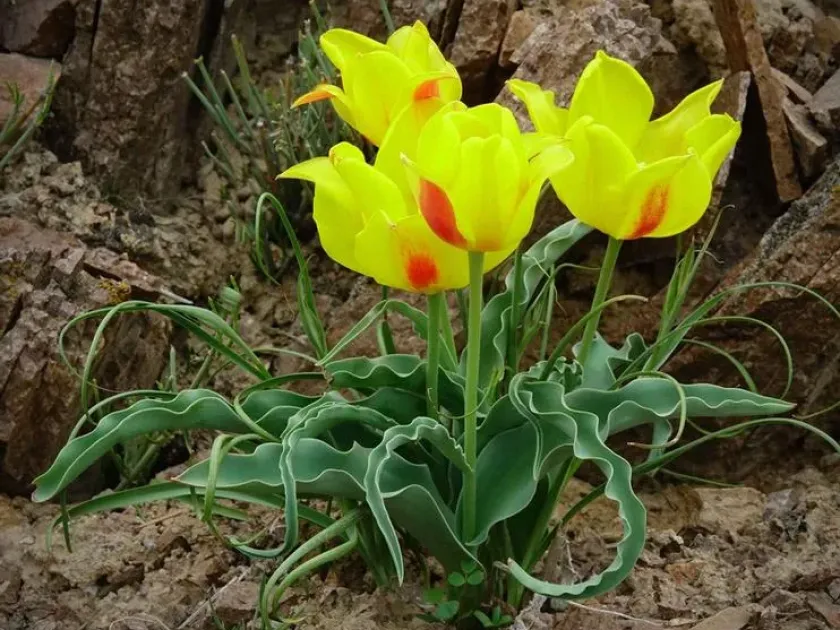
Description
Sowing dates
Propagation of Tulipa albertii in its native habitat relies primarily on seeds. Seeds should be sown during the autumn season in a well-drained substrate that mimics the conditions found in alpine slopes.
When cultivating in nurseries, seedlings require five to seven years to reach their first flowering stage. Providing a strict period of dormancy after the foliage has died back is crucial for the health of the bulb.
Vegetative propagation via offsets is a slow process, which inherently limits the large-scale industrial cultivation of this specific tulip species. Specialized root growth stimulants can occasionally assist in plant vigor.
The temperature during seed stratification must closely match the natural winter cycles of the Central Asian mountain regions. Waterlogging during this phase is strictly prohibited to prevent seed mortality.
A loose, sandy soil mix amended with fine gravel is recommended for sowing. Seeds should be placed at a depth of approximately two centimeters to ensure optimal air exchange and germination success.
Growing requirements
Tulipa albertii belongs to the Liliaceae family and is native to the mountain ranges of Central Asia. This species thrives in locations with intense sunlight and excellent air circulation throughout the growing season.
The culture is adapted to a climate with significant seasonal moisture fluctuations. Providing superior drainage is mandatory to prevent root rot, especially during the dormant stage in mid-to-late summer.
Soils should be nutrient-poor, porous, and preferably neutral to slightly alkaline in pH. Heavy clay soils are unsuitable as they retain excessive moisture and restrict oxygen flow to the developing bulbs.
Water availability is critical only during the early spring growth flush, which precedes the flowering phase. Following the bloom, the plant requires a dry, warm period for the bulb to properly mature.
- Height: 15–30 cm.
- Flowering period: April–May.
- Root type: Bulb.
- Petal color: Bright red with a distinct basal blotch.
Main diseases and pests
Fungal pathogens are the primary concern for Tulipa albertii, particularly when exposed to damp conditions. Fusarium rot is the most devastating disease affecting the bulb's basal plate.
Pests such as bulb mites and onion fly larvae can quickly compromise a crop. Preventive application of systemic insecticides or soil treatments is recommended for successful plant maintenance.
Tulip breaking virus, often transmitted by aphids, severely impacts the aesthetic quality of the blooms. Any infected plant should be removed and disposed of to protect the rest of the collection.
Rodents represent a significant threat to stored or buried bulbs during the winter months. Using protective wire mesh or secure containers is an effective strategy to prevent predation.
Bacterial soft rots often develop due to insufficient soil aeration. Maintaining good hygiene, proper drainage, and spacing between bulbs are essential practices to reduce the incidence of infection.