
Nomocharis pardanthina
Lilium pardanthinum
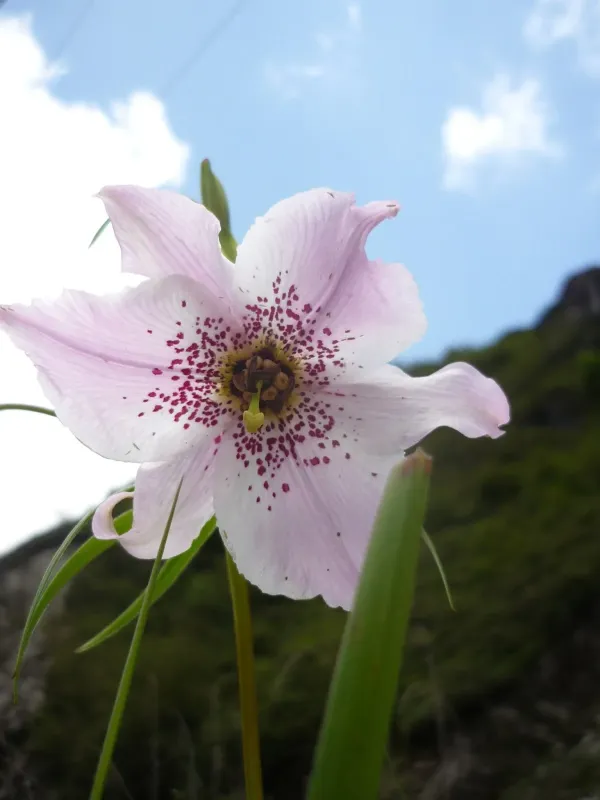
Description
Sowing dates
The sowing of Nomocharis pardanthina seeds is best performed in the autumn or early spring, provided that the seeds have undergone necessary stratification.
The optimal timing for sowing in protected soil or containers is February or March, allowing the seedlings to establish themselves before the onset of summer.
When sowing in open ground, choose sites with light, well-draining soil, avoiding any waterlogging that can prove fatal to the plant material.
The seeds should be sown at a depth of no more than 0.5–1 cm, as small seeds require consistent moisture rather than deep burial.
Germination can be a prolonged process, requiring a stable ambient temperature maintained between 15 and 20 degrees Celsius for best results.
Growing requirements
This species, belonging to the Liliaceae family, has specific environmental demands, favoring a cool and humid climate for optimal growth.
Partial shade or dappled light is essential for its success, as direct sun exposure can overheat the sensitive root system of the plant.
The soil must be rich in humus, slightly acidic, and provide excellent drainage to prevent the bulb from rotting during the wet season.
Mulching the root zone is a critical practice, as it helps to keep the soil temperature consistent and maintains moisture during hot summer days.
The plant does not tolerate drought well, so regular but moderate watering is necessary during the growing season without over-saturating the substrate.
Main diseases and pests
Nomocharis pardanthina is susceptible to fungal infections such as grey mold (botrytis), which thrives in conditions of high humidity and poor airflow.
The root system is prone to fusarium wilt, particularly if grown in heavy, poorly aerated soils that do not allow for adequate gaseous exchange.
Among the primary pests, the lily beetle and its larvae pose the most significant threat, as they can quickly defoliate the plant if left unchecked.
Effective pest management involves regular monitoring of the plants and the application of systemic insecticides at the first sign of infestation.
Disease prevention strategies should focus on crop rotation, careful irrigation avoiding foliage wetting, and ensuring sufficient space between individual plants.