
Leopard lily
Lilium pardalinum
Description
Growing requirements
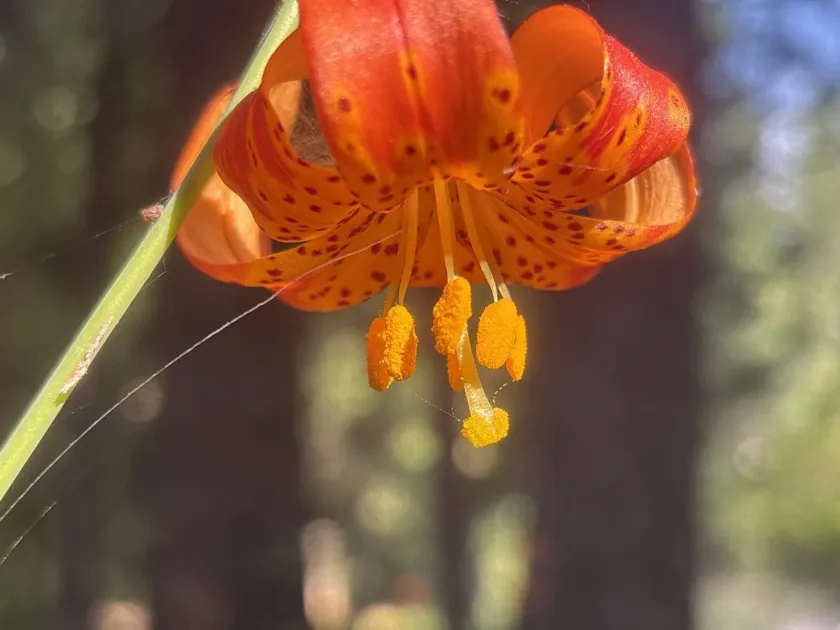
The Leopard lily (Lilium pardalinum) is a perennial bulbous plant belonging to the Liliaceae family. Native to streamsides and wet meadows in the western United States, it is widely recognized for its vibrant, reflexed orange-red petals with distinctive spotting.
It thrives in moist, partially shaded environments that mimic its natural habitat. Providing adequate protection from the afternoon sun is essential for maintaining plant vigor and preventing leaf scorch.
The soil should be rich in organic matter, slightly acidic, and consistently moist but well-drained. Incorporating leaf mold or compost into the planting site significantly improves soil texture and nutrient content.
Climate adaptation involves ensuring the bulb stays cool during the growing season. In cooler climates, it is advisable to provide a thick layer of mulch before winter to protect the bulb from frost heaving and extreme temperature fluctuations.
Agricultural management requires careful attention to irrigation. The plant cannot tolerate complete drought; therefore, consistent moisture levels must be maintained throughout the blooming period to ensure optimal growth.
Main diseases and pests
Botrytis blight (gray mold) is a prevalent fungal issue. It occurs when atmospheric humidity is high and foliage remains wet for extended periods, making proper spacing between plants essential for airflow.
The lily leaf beetle is a major pest that feeds on leaves and flower buds. Integrated pest management, including regular inspection and manual removal, is highly recommended to minimize chemical reliance.
Root and bulb rot are common consequences of poorly drained soils. Planting in raised beds or adding coarse gravel to the planting hole can mitigate these risks effectively.
Viruses transmitted by aphids can cause stunted growth and mottled leaves. Keeping aphid populations under control is crucial for maintaining the long-term health and vitality of the lily stand.
Small mammals, particularly voles, can cause significant damage to the bulbs during the dormant season. Protecting bulbs with wire cages at the time of planting is the most effective preventative measure.