
Nepal lily
Lilium nepalense
Description
Growing requirements
The Nepal lily (Lilium nepalense) is a perennial bulbous plant belonging to the Liliaceae family. Native to the Himalayan regions, including Nepal, India, and Bhutan, this species naturally thrives in high-altitude moist forest environments.
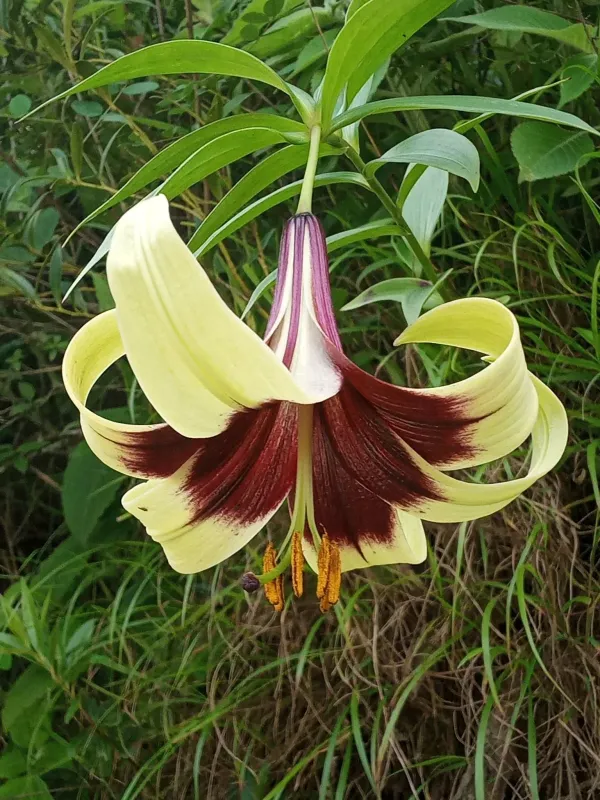
Botanically, it is recognized by its dramatic, downward-facing, trumpet-shaped flowers. The petals exhibit a striking lime-green to yellow hue, often contrasted by a deep, dark purple throat, growing on stems that can reach up to 120 cm in height.
This species requires specific environmental conditions to thrive, preferring semi-shaded locations protected from direct harsh sunlight. The soil must be well-drained, acidic, and rich in humus, closely mimicking the damp floor of a Himalayan forest.
Temperature management is critical for the Nepal lily, as it performs best in cool, humid conditions rather than high heat. Adequate air circulation is necessary to prevent environmental stress, while winter dormancy requires protection from deep frosts in many regions.
The primary use of Lilium nepalense is in ornamental horticulture. It is highly valued by specialized collectors and botanical gardens for its unique appearance and is generally not considered a mass-market agricultural commodity.
Main diseases and pests
The most significant threats to the health of Lilium nepalense are fungal pathogens, specifically grey mould (Botrytis). These fungi thrive in conditions with poor drainage and stagnant air, leading to rapid decay of foliage and stems.
Insect pests include the scarlet lily beetle, which feeds voraciously on all parts of the plant. Additionally, aphids represent a major threat, not only due to direct feeding damage but also because they act as vectors for debilitating viral diseases.
Subterranean pests such as wireworms and various types of soil nematodes can cause severe damage to the bulb structure, often resulting in the sudden collapse of the plant. Maintaining soil hygiene is crucial to mitigate these risks.
Excessive fertilizer application can weaken the plant's natural resistance, making it more prone to bacterial soft rot. A balanced approach to nutrition, focusing on organic amendments, is recommended for long-term health.
- Use of fungicide treatments during prolonged damp weather.
- Manual removal or targeted spraying to control lily beetles.
- Ensuring excellent drainage to prevent root and bulb asphyxiation.