
Jankae Lily
Lilium jankae
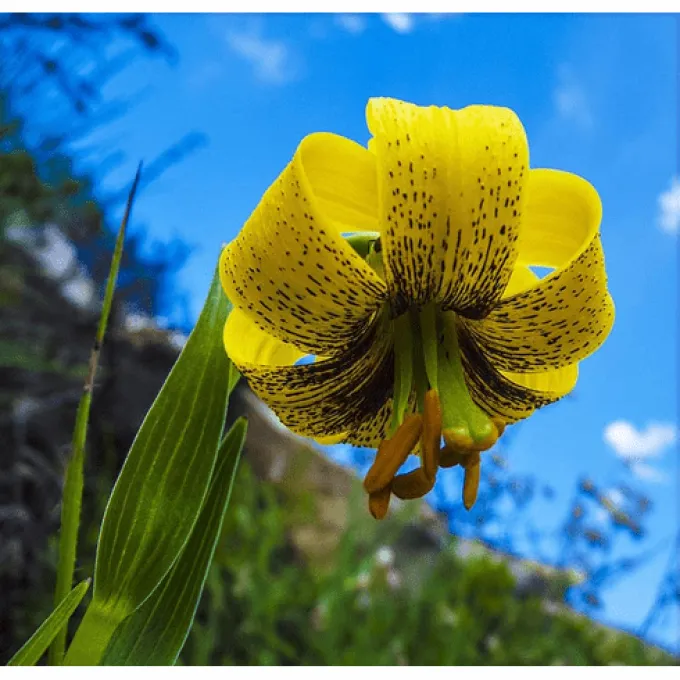
Description
Growing requirements
The Jankae Lily (Lilium jankae) is a distinguished member of the Liliaceae family, native to the mountainous regions of the Carpathians. It is highly regarded for its unique adaptation to limestone-rich soils and specific alpine environments where drainage is naturally optimal.
To successfully cultivate this rare species in a garden setting, one must provide a location with dappled sunlight. It thrives best in spots that remain cool during the day, mimicking the sheltered slopes of its natural mountainous habitat.
The soil requirements are specific: the medium must be light, porous, and enriched with organic matter, while maintaining a neutral to slightly alkaline pH. Proper soil drainage is the single most important factor to prevent root rot, as the bulbs are highly sensitive to stagnant moisture.
Maintenance involves consistent, moderate watering and avoiding heavy fertilization. In regions with harsh winters, providing a layer of mulch is beneficial, as it protects the bulb from extreme temperature fluctuations and helps maintain a constant soil moisture level.
The primary use of Lilium jankae is ornamental, often utilized in rock gardens or specialized collections of rare alpine flora. Because it is a delicate species, it serves as a valuable subject for breeders looking to introduce hardiness and specific aesthetic traits into new hybrid lines.
Main diseases and pests
Fungal diseases, specifically those caused by Botrytis species, represent the most significant threat to this lily, especially during damp seasons. Ensuring good air circulation around the plants is essential for reducing the risk of fungal infections.
In terms of insect pests, the lily beetle is the most prominent threat to the foliage. Gardeners should monitor for signs of infestation early in the season and apply appropriate control measures to preserve the plant's vigor and ornamental value.