
Daurian lily
Lilium dauricum
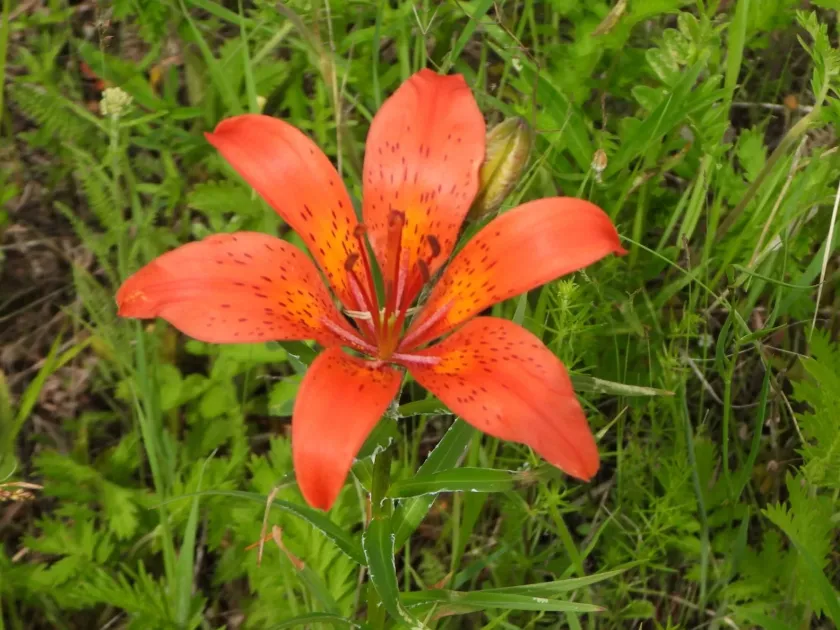
Description
Sowing dates
The Daurian lily, a member of the Liliaceae family, is propagated mainly through vegetative means using offsets or bulbils. Planting is best performed in the autumn, allowing the roots to establish before the onset of ground-freezing temperatures.
Spring planting is recommended for regions with severe winters to prevent potential bulb damage during the first dormant phase. It is essential to use loose, well-draining soil and avoid direct contact with uncomposted manure to ensure healthy root development.
Seed propagation is also possible, though it is primarily utilized for breeding purposes. Seeds require a period of stratification in cold conditions to break dormancy and achieve a high germination percentage during the spring season.
The planting depth should be determined based on the size of the bulb and soil texture. Generally, bulbs are planted at a depth equivalent to three times their diameter, which provides stability and protection from extreme temperature fluctuations.
Proper spacing between bulbs, typically 20–30 cm, is crucial to maintain air circulation. This practice significantly reduces the likelihood of foliage diseases and ensures each plant has access to sufficient nutrients.
Growing requirements
This species is highly adaptable to the continental climates of its native range in East Asia. It thrives in locations with full sun exposure, although it can tolerate light afternoon shade in warmer growing zones.
The soil must be fertile, neutral to slightly acidic, and possess excellent drainage properties. Standing water is the primary cause of bulb rot, making the use of raised beds or proper site selection critical for long-term survival.
Adequate moisture is required throughout the growing season, particularly during the bud formation and flowering stages. Irrigation should focus on the soil rather than the foliage to prevent the development of fungal infections on the leaves.
Regular maintenance involves light hoeing to control weeds and the application of balanced NPK fertilizers. Nutrients should be applied in stages: early in the spring, during the bud stage, and again after flowering to replenish bulb reserves.
The Daurian lily is cold-hardy, but applying a layer of organic mulch in late autumn provides added protection against extreme frost in areas with thin snow cover, ensuring the bulbs survive the winter dormant period unscathed.
Main diseases and pests
Fungal pathogens such as Botrytis (gray mold) pose the most significant threat to the Daurian lily. High humidity combined with fluctuating temperatures creates the ideal environment for the spread of this disease, necessitating timely fungicide treatments.
Fusarium bulb rot is another serious issue that targets the basal plate of the bulb. This pathogen often thrives in poorly drained soils and can quickly destroy the root system, eventually leading to the death of the entire plant.
The lily leaf beetle is a major insect pest that can cause extensive defoliation. Regular inspections during the spring are necessary to identify and remove adult beetles and their larvae before they inflict significant damage to the plant tissue.
Aphids and thrips are also common pests that feed on plant sap and can transmit various mosaic viruses. Once infected with a virus, lilies usually show distorted growth and poor flowering, making prevention and early pest control essential.
- Monitor plants for early signs of beetle infestation.
- Ensure adequate drainage to prevent root and bulb decay.
- Clean garden tools to avoid transferring pathogens between plants.