
Canada lily
Lilium canadense
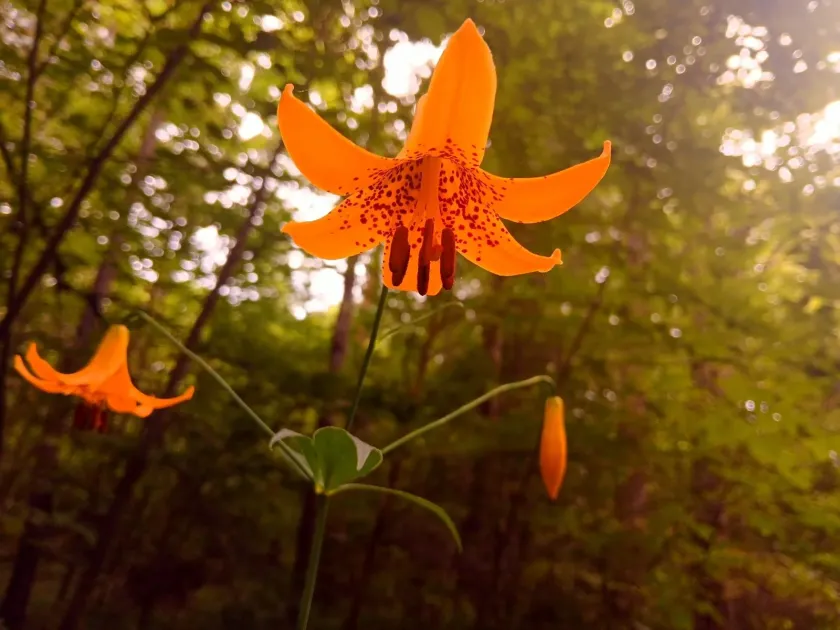
Description
Sowing dates
The Canada lily, known botanically as Lilium canadense, is a perennial bulbous plant belonging to the Liliaceae family. In agricultural and horticultural practices, propagation is primarily conducted by planting bulbs during the autumn months when the soil temperature begins to decrease.
Seed propagation is also an option, though it requires specific stratification processes and a controlled environment to ensure successful germination. Seeds are typically sown in greenhouse trays in late winter to develop robust seedlings before the spring frost-free period.
Selecting an appropriate planting site is crucial, as the Canada lily prefers areas with well-drained soil and protection from extreme wind. Before planting, ensure the bulbs are firm and free from signs of mold or mechanical damage to promote healthy vegetative growth.
The planting depth should range from 10 to 15 centimeters depending on the size of the bulb and the texture of the soil. Proper depth provides the necessary thermal stability for the bulbs while allowing the root system to establish itself effectively throughout the season.
Applying a layer of organic mulch after planting helps maintain soil moisture and regulates temperature fluctuations. This practice is essential for protecting the bulbs during the winter months and ensuring the plant remains vigorous as it emerges in the spring.
Growing requirements
Canada lily thrives in fertile, slightly acidic, and moisture-retentive soils that are well-drained. In their natural habitat, these lilies are often found in meadows or woodland edges, indicating a preference for humus-rich, loose soil compositions that do not waterlog.
Regarding light requirements, the species performs best in partial shade, particularly during the hot afternoon hours. While they can tolerate more sun in cooler northern climates, excessive direct sunlight can cause leaf burn and stress the plant's metabolic functions.
Climate adaptation is a key factor, as the species is native to eastern North America, where it experiences cool winters and temperate, humid summers. Adequate moisture must be provided throughout the growing season to ensure the health of the bulb and the quality of blooms.
Regular fertilization with balanced nutrients is recommended to support the rapid growth of the tall flower stems. Applying phosphorus-rich fertilizers prior to the flowering stage enhances the development of the characteristic nodding, bell-shaped blossoms.
Watering should be managed carefully to avoid wetting the foliage, which reduces the risk of leaf spot and fungal infections. Consistent soil moisture is preferred over cycles of extreme saturation and drought, which can significantly damage the delicate root system.
Main diseases and pests
Fungal diseases such as Botrytis blight represent the most significant threat to the Canada lily, especially in environments with poor air circulation or prolonged high humidity. Preventive fungicide applications are often necessary during the early stages of the growing season.
The lily leaf beetle is a notorious pest that can cause extensive defoliation if left unchecked. Integrated pest management, including regular manual inspection and the use of approved insecticides, is essential to maintain the structural integrity of the plant.
Viral pathogens transmitted by aphids can lead to severe stunting and mosaic patterns on the foliage. Since there is no cure for viral infections, aggressive rogueing of infected plants and controlling vector insect populations are the only effective management strategies.
Soil-borne pests such as grubs or wireworms may feed on the bulbs and roots, leading to plant collapse. Utilizing prophylactic soil treatments or choosing sites with minimal pest history helps protect the developing bulbs from below-ground damage.
Maintaining high standards of garden hygiene, including the removal of dead plant material at the end of the season, significantly reduces the overwintering capacity of pests and pathogens, contributing to a healthier crop cycle in the following year.