
Armenian lily
Lilium armenum
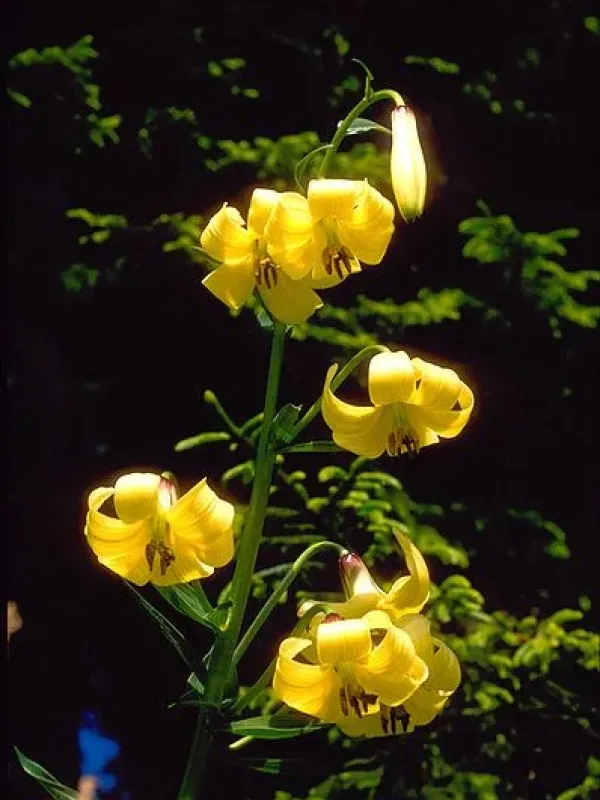
Description
Growing requirements
The Armenian lily (Lilium armenum) is a perennial bulbous plant belonging to the Liliaceae family. It is a rare species native to the mountainous regions of the Armenian Highlands, exhibiting specific adaptations to rugged ecological niches.
To cultivate this lily successfully, it is essential to provide well-drained, porous soil with a neutral to slightly acidic pH. Incorporating mineral aggregate or sand into the substrate is recommended to prevent moisture retention and facilitate healthy root respiration.
The plant thrives in temperate mountain climates and shows resilience against significant temperature fluctuations. However, during the dormant season, it requires protection from excessive soil moisture to ensure the bulb remains intact and free from physiological stress.
Exposure to sunlight should be managed; while it prefers bright locations, providing afternoon shade protects the foliage from heat stress and prolongs the blooming period. Consistent air circulation around the plants is critical to prevent heat buildup in the canopy.
In terms of agricultural and horticultural utility, the species is valued for its hardiness and genetic potential in hybridization programs. It is an excellent choice for rock gardens and naturalistic landscape designs where it can demonstrate its structural beauty.
Main diseases and pests
Botrytis, or grey mold, represents the most significant fungal threat, especially in humid and stagnant air conditions. Proper spacing and airflow are the primary cultural practices used to manage the spread of this pathogen.
Root and basal rot are frequent consequences of poor soil drainage. If the drainage capacity of the planting area is insufficient, raised beds should be constructed to elevate the bulbs above the waterline, ensuring a drier environment for the root system.
The lily beetle (Lilioceris lilii) is the primary insect pest that targets both foliage and developing buds. Integrated pest management strategies, including the manual removal of adult beetles, are typically employed to maintain the plant's aesthetic and vigor.
Aphids pose a risk not only through direct feeding but also by acting as vectors for systemic viruses. Monitoring for aphid colonies in the early stages of spring growth is necessary to mitigate the risk of irreparable viral damage to the collection.
Soil-dwelling pests, such as larvae of the cockchafer, can devastate bulb populations. Using barrier treatments or targeted soil insecticides can provide effective protection during the peak season of subterranean pest activity.