
Erythronium hybrid
Erythronium hybrids
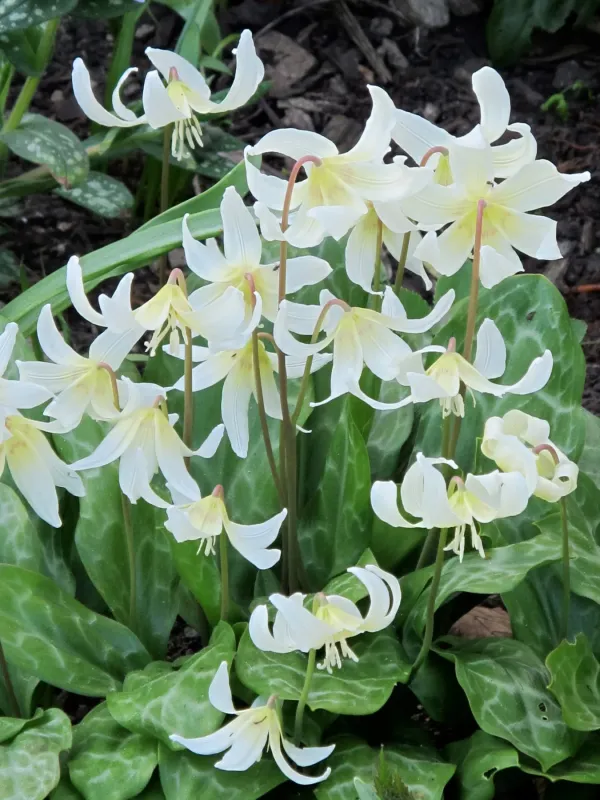
Description
Sowing dates
Erythronium hybrids are elegant bulbous plants belonging to the Liliaceae family, highly prized for their recurved petals and graceful, nodding flowers. These hybrids are the result of selective breeding to enhance floral size and color variety.
The optimal time for planting these bulbs is in late summer or early autumn, typically between August and September. Planting during this window allows the root system to establish itself before the ground freezes.
Bulbs should be planted at a depth of 10 to 15 centimeters. Shallow planting increases the risk of dehydration during dry spells, while excessively deep planting can delay shoot emergence in early spring.
It is essential to space the bulbs appropriately to prevent overcrowding, which can lead to competition for nutrients. An average spacing of 15–20 centimeters between bulbs is recommended for a balanced garden display.
Propagation is primarily achieved through the separation of offsets from the mother bulb. This should be done every 4 to 5 years when the plants are dormant to ensure the ongoing vigor of the hybrid clones.
Growing requirements
Erythronium hybrids thrive in woodland conditions, requiring partial to full shade throughout the day. Intense, direct afternoon sun should be strictly avoided to protect the delicate foliage and blossoms.
The ideal soil is rich in organic matter, loose, and well-draining with a neutral to slightly acidic pH. The plants perform exceptionally well in soil that mimics forest conditions, retaining moisture without becoming waterlogged.
Water management is critical; the soil must remain consistently moist during the active growing season but never soggy. Excess water around the roots quickly leads to fungal infections and bulb rot.
A mulch of leaf mold or compost applied annually helps maintain soil moisture and provides essential nutrients. This mimics the plant's natural environment and protects the bulbs from extreme temperature fluctuations.
While generally hardy, Erythronium hybrids benefit from a protective layer of mulch in regions with harsh, snowless winters. This insulation prevents the soil from heaving and protects the bulbs from deep freezing.
Main diseases and pests
The most significant disease threat to Erythronium hybrids is Botrytis (gray mold), particularly in environments with poor air circulation and high humidity. Symptoms include spotting on the leaves and eventually the collapse of the stem.
Preventive measures include planting in areas with good air movement and avoiding overhead watering. If an infection is detected, affected plant material should be removed and destroyed immediately to prevent spread.
Pests like voles and mice are common threats, as they may feed on the bulbs during winter months. Protecting the planting area with wire mesh is a standard and effective horticultural practice.
Soil-dwelling insects, such as wireworms, can damage the bulb tissue, making the plant susceptible to secondary bacterial rot. Maintaining a clean garden and avoiding the use of uncomposted manure helps keep these populations in check.
- Regular inspection of bulbs for rot.
- Ensuring adequate soil drainage.
- Using physical barriers against rodents.