
Calochortus Purshii
Calochortus Pursh.
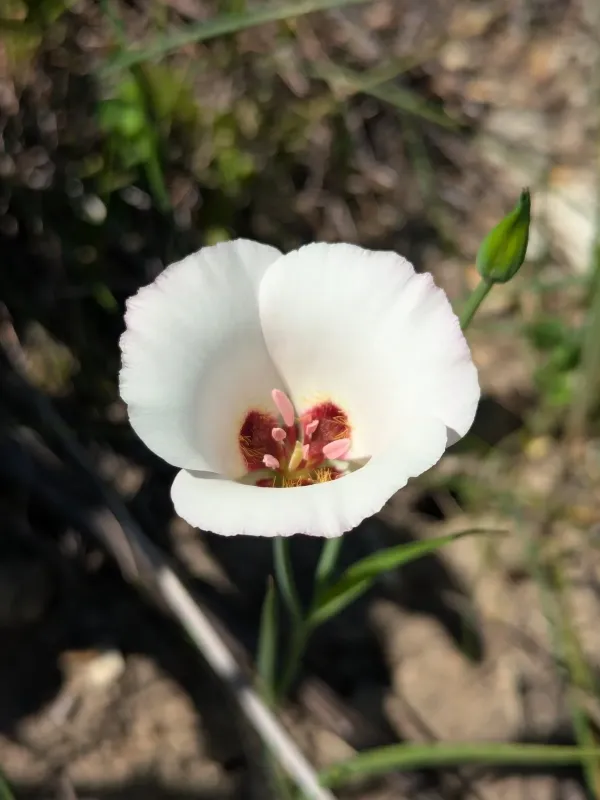
Description
Growing requirements
Calochortus Purshii is a perennial bulbous plant belonging to the Lily family (Liliaceae). Native to western North America, this species typically thrives on rocky slopes and open, well-drained habitats where environmental conditions are quite specific.
Botanically, the plant develops from a small bulb, producing slender, lanceolate leaves and delicate stems. Its flowers are highly distinctive, featuring three large, often hairy petals that give the plant a unique, fringed appearance highly prized by collectors.
Successful cultivation requires full sun exposure and gritty, sandy soil with a neutral to slightly alkaline pH. The most critical requirement is excellent drainage, as the bulbs are highly susceptible to rot if they remain in saturated soil during their dormant period.
Climate requirements match regions with dry, warm summers and cool, moist winters. While somewhat cold-hardy, Calochortus Purshii often benefits from protection in areas with extreme winter wetness, leading many gardeners to grow them in deep containers to control soil moisture levels.
The plant is used primarily in ornamental horticulture, specifically for specialized gardens. It is a perfect candidate for rock gardens, alpine beds, and xeric landscapes where it can be displayed against a backdrop of gravel or stone, mimicking its native ecological niche.
Main diseases and pests
The primary threat to the health of Calochortus Purshii is fungal bulb rot, which occurs when soil drainage is insufficient. Ensuring the substrate remains porous and avoiding water accumulation is the most important preventive measure.
Soil-dwelling insects, including fungus gnat larvae or thrips, can occasionally damage the subterranean parts of the plant. Regular monitoring of the growing area helps catch infestations early, allowing for targeted organic management of the pest population.
Virus infections can cause stunted growth or distorted leaves in Calochortus species. It is imperative to obtain bulbs from reputable sources and immediately isolate or remove any plants showing signs of abnormal development to protect the surrounding collection.
Weed management is vital because Calochortus Purshii has low tolerance for competition. Weeds can easily outgrow these delicate plants for light and nutrients, so keeping the area around the bulbs clean is essential for vigorous seasonal development.
Applying a thin layer of grit or decorative rock mulch can help stabilize the ground temperature and prevent the bulbs from drying out too quickly during the peak of the growing season while simultaneously suppressing weed growth around the base of the plant.