
Herbertia
Herbertia
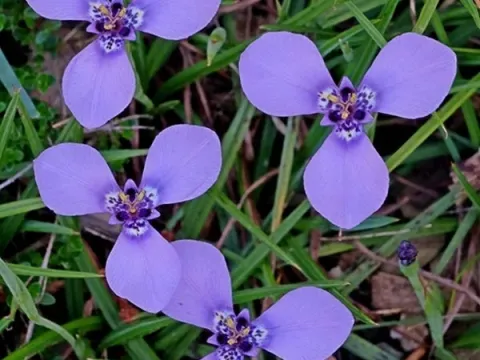
Herbertia is a genus of perennial bulbous plants belonging to the Iridaceae family. This genus includes several species, which are native to the regions of South America and parts of North America.
What the section contains

Herbertia
This crop prefers open and well-lit locations. The plants are light-loving, therefore, when cultivated in a garden or greenhouse, it is necessary to select sites protected from cold winds while ensuring full access to sunlight.
Soil requirements focus on providing excellent drainage. The crop is extremely sensitive to waterlogging, which can lead to bulb rot. Ideal conditions are light, sandy loam, or structural fertile soils with a neutral to slightly acidic pH level.
Climate preferences of Herbertia are limited to zones with a mild climate. The plant does not tolerate severe winter frosts well; therefore, in temperate zones, it is most often cultivated as a container plant with the possibility of moving it to a warm room for the winter period.
Agrotechnics include moderate watering during the active growing season and ensuring a dormancy period after flowering. Fertilizer should be balanced, with minimal nitrogen content in the second half of the summer to ensure proper bulb ripening.
The main threats to Herbertia are fungal diseases caused by excessive moisture in the substrate. Root rot and fusarium are the most common problems that occur when the agrotechnical regime is violated.
Pests that affect the crop include thrips and spider mites, which settle on the leaf blades. Also, if the soil is waterlogged, bulb damage by soil nematodes or fungus gnat larvae is possible.
To control diseases, it is recommended to use broad-spectrum fungicides and strictly adhere to a watering schedule. Prevention consists of treating the bulbs before planting and regularly loosening the top layer of the soil.
In outdoor conditions, the plants may suffer from slugs and snails that damage the delicate aerial parts of the Herbertia. Control is carried out using mechanical barriers or special baits.
The use of insecticides should be cautious so as not to harm beneficial pollinating insects. It is important to remove damaged parts of the plant in a timely manner to prevent the spread of infections throughout the planting.