
Hermon iris
Iris hermona
Description
Growing requirements
The Hermon iris (Iris hermona) is a unique perennial plant belonging to the Iridaceae family. It is classified within the Oncocyclus subgenus, which is known for its highly specialized ecological requirements and distinct, large, often velvety flowers.
Native to the Mount Hermon range, the plant thrives in rocky limestone habitats. Its geographical distribution is limited to specific high-altitude zones in the Middle East, characterized by cold winters and very dry, hot summers.
The core requirement for successful cultivation is excellent soil drainage. In garden settings, it is crucial to mimic its natural environment by providing a sharp-draining, slightly alkaline soil mix and ensuring a dry period during the summer months.
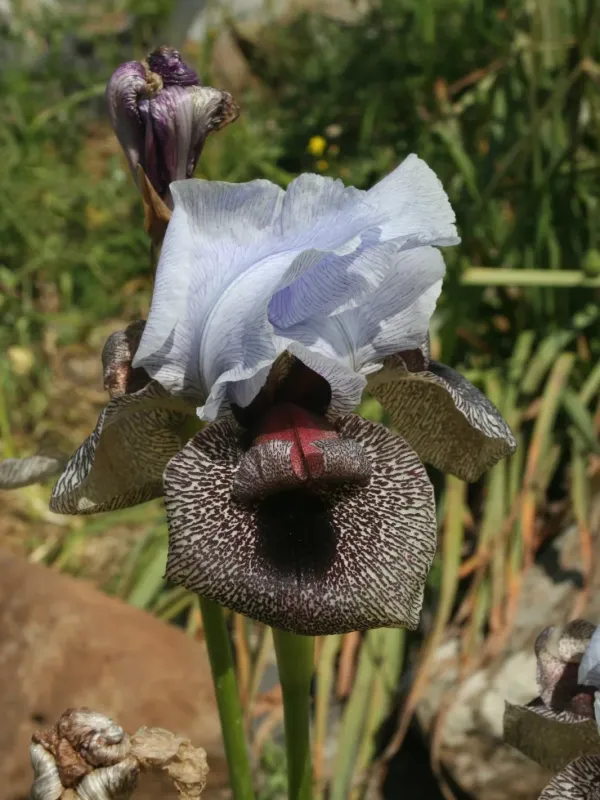
Botanically, the species features sword-shaped glaucous leaves and striking flowers that exhibit intricate vein patterns and intense colors. The rhizomes are relatively compact and require significant sun exposure to properly ripen for the following season's growth.
The species holds great interest for specialized horticulturalists and breeders focusing on rare irises. While not suitable for general landscape use, it serves as a valuable genetic resource for developing hardy varieties of oncocyclus hybrids.
Main diseases and pests
The most significant threats to the species are soil-borne pathogens, specifically Erwinia bacterial soft rot and various fungal infections triggered by excessive soil moisture. Proper aeration and avoiding summer irrigation are the best forms of defense.
Pests such as iris borers or aphids can weaken the plants. Monitoring the growth cycle and maintaining a clean planting environment are essential steps to minimize the risk of infestation, ensuring the longevity of the plant in cultivation.