
Geogenanthus poeppigii
Geogenanthus poeppigii
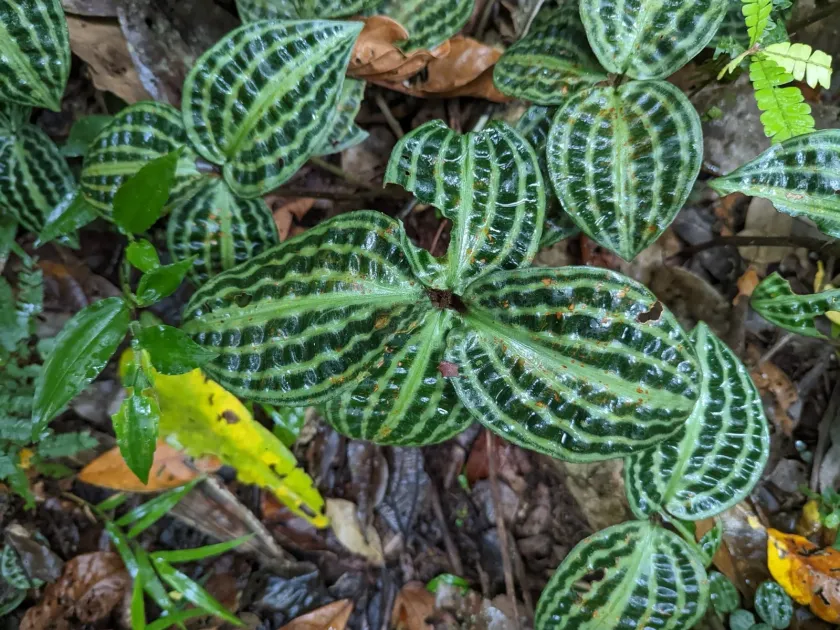
Description
Growing requirements
Geogenanthus poeppigii is a herbaceous perennial plant belonging to the Commelinaceae family. It is native to the dense, moist understory of South American tropical rainforests, which dictates its preference for low light and high humidity.
In a cultivation setting, mimicking its natural environment is key to its survival. The plant requires consistently high humidity levels, ideally maintained above 60 percent, often making it suitable for terrariums or specialized indoor greenhouses.
Optimal temperature ranges for this species fall between +20°C and +25°C. It is essential to protect the foliage from sudden temperature drops, cold drafts, and direct heat sources, all of which can severely stress the plant and damage its tissue.
The potting medium must be well-draining yet capable of retaining moisture. A mix comprising high-quality peat, perlite, and bark chunks provides the necessary structure and aeration to support healthy root development and prevent anaerobic conditions.
Light requirements are minimal, as the plant is adapted to the deep shade of the canopy. Bright, indirect light is preferred, as direct sunlight causes the dark, lush leaves to fade and develop unsightly scorched patches within a very short time.
Main diseases and pests
Spider mites are the most common pest problem for this species, especially in environments where humidity levels are allowed to drop too low. These pests thrive in dry air and can quickly weaken the plant by feeding on its sap.
Root rot is a major threat caused by overwatering or poorly draining soil. When the roots remain saturated for too long, they lose the ability to exchange oxygen, leading to rapid decay that eventually results in the collapse of the stems.
Fungal infections can also occur on the foliage if water is left sitting on the leaves for extended periods in cool, stagnant air. Ensuring adequate airflow around the plant is a critical preventive measure against most leaf-spotting diseases.
Scale insects and mealybugs can occasionally infest the plant. Regular monitoring is advised, and infestations should be treated promptly using mild horticultural soaps or systemic insecticides labeled for ornamental house plants.
Maintaining cleanliness is vital for the plant's health. Removing dead foliage and keeping the leaf surface free of dust ensures that the plant can perform efficient photosynthesis and maintain its natural vibrant pigmentation throughout the year.