
Arthropodium candidum
Arthropodium candidum Raoul
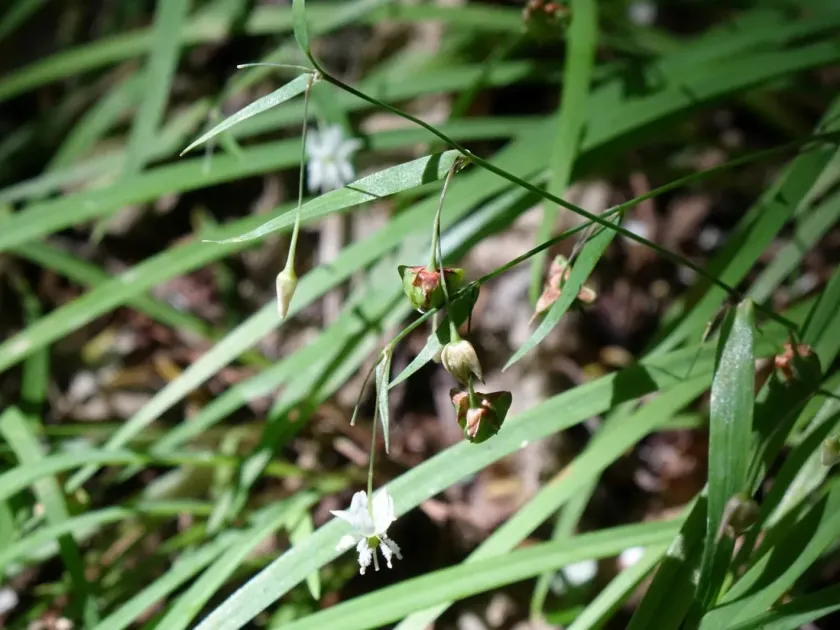
Description
Sowing dates
Propagation of Arthropodium candidum is primarily achieved through seeds or division of mature rhizomes. Seeds should be sown in a well-draining, peat-based mix during the early spring to maximize the growing season.
Optimal germination occurs when containers are kept at a consistent temperature of 18–20 degrees Celsius. Ensure the soil surface remains moist but never waterlogged to prevent fungal damping-off.
Division is best performed in early spring before active new growth begins. The plant should be carefully lifted and separated into smaller clumps, ensuring each piece has at least one healthy growth point.
Once divided, the new sections should be potted into high-quality compost. They require a few weeks of shelter in a shaded area to establish roots before being introduced to their final growing conditions.
Transplanting into the garden should only happen once the soil has warmed up and all risk of frost has passed. Space plants roughly 25 centimeters apart to allow for proper air circulation.
Growing requirements
Arthropodium candidum belongs to the Asparagaceae family and is native to the forests of New Zealand. This elegant, small-stature plant is often utilized in woodland-style garden settings.
The plant thrives in partial shade or dappled light conditions. Intense, direct sunlight can bleach the foliage and reduce the overall health of the plant, especially during peak summer temperatures.
Soil requirements focus on fertility and drainage. The plant prefers humus-rich soil that holds some moisture but allows excess water to escape freely. Heavy clay soils should be amended with organic matter and grit.
Watering should be balanced. While the plant appreciates regular moisture during the growing season, it is sensitive to waterlogged conditions, which can lead to rapid rot of the underground rhizomes.
In colder climates, Arthropodium candidum is best treated as a container plant. This allows gardeners to move the plant into a frost-free environment during the winter, protecting it from freezing temperatures.
Main diseases and pests
The most significant threat to the health of this species is root and crown rot. This condition is almost exclusively the result of overwatering or inadequate soil drainage, requiring immediate correction.
Pests such as aphids and spider mites can occasionally affect the plant in greenhouse or indoor environments. Keeping the plant healthy and ensuring good airflow usually prevents these infestations.
Gastropods like slugs and snails are problematic for young foliage, particularly in damp garden environments. Physical barriers or organic molluscicides are effective in mitigating damage during the spring months.
Fungal leaf spots may occur if the foliage is kept excessively wet for long periods. Watering at the base of the plant rather than overhead is an effective way to minimize this risk.
Maintaining high hygiene standards by removing dead leaves and debris from the base of the plant significantly reduces the habitat for pathogens and pests, promoting long-term vigor.