
Renga Renga lily
Arthropodium cirrhatum (G. Forst.) R. Br.
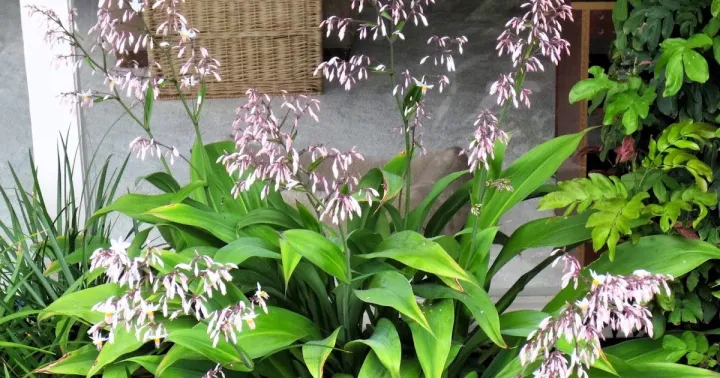
Description
Growing requirements
The Renga Renga lily (Arthropodium cirrhatum) is a perennial herb belonging to the Asparagaceae family. Native to New Zealand, this plant is traditionally found in coastal forests and rocky outcrops, which dictates its specific growth requirements in domestic cultivation.
This plant thrives in partial shade, as it is naturally adapted to the filtered light of a forest canopy. Direct sunlight, especially in warmer climates, can scorch its broad, succulent leaves, leading to yellowing and tissue necrosis.
The soil must be well-drained and rich in organic matter. While it prefers consistent moisture during the growing season, it is highly intolerant of waterlogged conditions, which lead to root rot. A sandy or loamy soil mixture with added compost is considered ideal.
Regarding climate, the plant prefers mild temperatures between 15°C and 22°C. While it is hardy in many coastal regions, it should be protected from hard frosts. In colder climates, growing it in containers that can be brought indoors is a common practice.
The Renga Renga lily is highly valued for its aesthetic appeal, featuring sprays of delicate white flowers that appear in late spring and early summer. It is an excellent choice for woodland gardens, borders, and as a structural container plant.
Main diseases and pests
Slugs and snails are the primary pests of the Renga Renga lily. These mollusks find the fleshy leaves particularly attractive and can cause significant foliage damage during damp spring weather if not controlled by baits or physical barriers.
Root rot is the most common disease, caused by the pathogens Phytophthora and Pythium. This condition is almost always the result of overwatering or inadequate soil drainage, making it essential to monitor moisture levels closely.
Mealybugs and aphids may infest the plant when it is grown in environments with poor air circulation. Regular inspection of the leaf axils is necessary, as these insects tend to hide in sheltered parts of the foliage where they are difficult to reach.
Powdery mildew can occur on the foliage if the plant is kept in humid, stagnant conditions. To prevent this, ensure that the plants are spaced appropriately to allow for natural airflow and avoid overhead watering in the evenings.
When dealing with any infestation or disease, it is best to remove the affected foliage immediately and dispose of it away from the garden. Chemical treatments should be used cautiously to avoid damaging the plant's delicate tissues.