
Arthropodium milleflorum
Arthropodium milleflorum
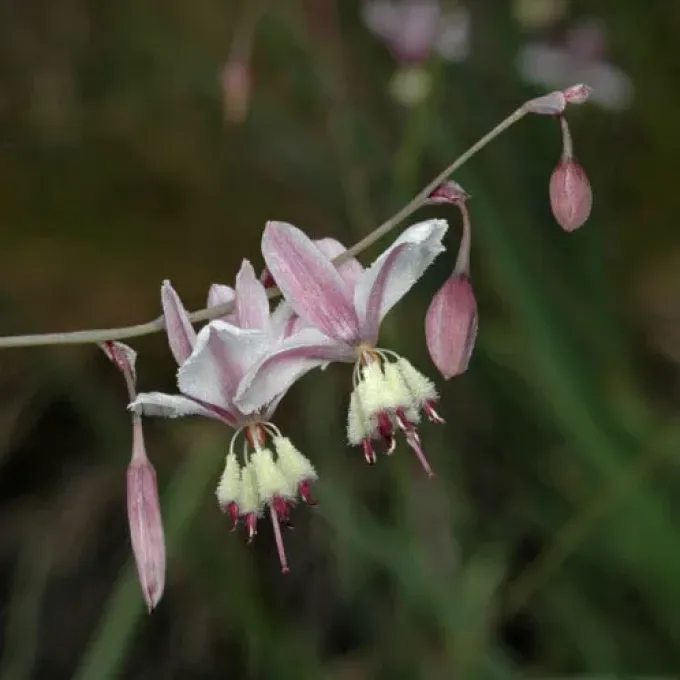
Description
Sowing dates
Arthropodium milleflorum seeds are best sown in late winter or early spring using a seed-starting tray. It is beneficial to provide a short cold stratification period to improve germination rates, which are often irregular for this species.
Use a well-draining, sterile potting mix and cover the seeds lightly with fine soil or vermiculite. Maintain a temperature range of 15–20°C and ensure the medium remains consistently moist but not waterlogged until germination occurs.
Seedlings should be kept in a bright, sheltered area away from direct sunlight. Once they develop several true leaves, they can be transplanted into individual pots to strengthen their root systems before final outdoor placement.
For vegetative propagation, mature clumps can be divided in the early spring or autumn. Carefully tease the roots apart and ensure each segment has enough healthy rhizome tissue to support new growth during the establishment phase.
When planting in the garden, ensure the soil is loosened to a depth of at least 20 cm. Proper spacing is essential to allow for good air circulation, which helps prevent foliage diseases as the plant matures.
Growing requirements
Arthropodium milleflorum, a member of the Asparagaceae family, is native to Australia and is highly prized for its delicate, star-shaped flowers. It thrives in temperate conditions and is well-suited for woodland-style garden borders.
The plant prefers semi-shaded areas with well-drained, humus-rich soil. It is tolerant of various soil types, but it performs best in environments that mimic its natural habitat, which is protected from the harshest direct midday sun.
Regarding irrigation, while the plant has some drought tolerance, it performs consistently better with regular watering during the peak growing season. Ensure that the substrate never becomes water-saturated to avoid root rot.
This species is relatively hardy but benefits from a layer of mulch in colder climates to protect the rhizomes from freezing temperatures. It is also an excellent candidate for container gardening, allowing it to be moved indoors during extreme weather.
Fertilization should be moderate; a balanced, slow-release fertilizer applied in the spring is sufficient. Avoid high-nitrogen fertilizers as they may encourage excessive foliage growth at the expense of flower production.
Main diseases and pests
Root rot is the most significant threat, typically triggered by heavy, poorly drained soils or excessive winter moisture. If the drainage is inadequate, the rhizomes may decay rapidly, leading to the collapse of the plant.
Slugs and snails are common pests, particularly during wet spring weather when they target the succulent new foliage. Protective barriers such as crushed shells or copper tape can be effective in reducing damage.
In indoor environments or glasshouses, infestations of spider mites or mealybugs can occur. Regular inspection of the undersides of the leaves is advised, followed by immediate treatment with horticultural soap if pests are detected.
Fungal leaf spot may appear if air circulation is poor, particularly in crowded planting zones. Maintaining good plant hygiene and removing decaying organic debris helps to minimize the presence of fungal spores in the garden.
Always ensure tools are cleaned between plants to avoid the cross-contamination of potential pathogens. Monitoring the overall vitality of the plant is the best method to detect and mitigate threats early.