
Renga renga lily
Arthropodium cirratum
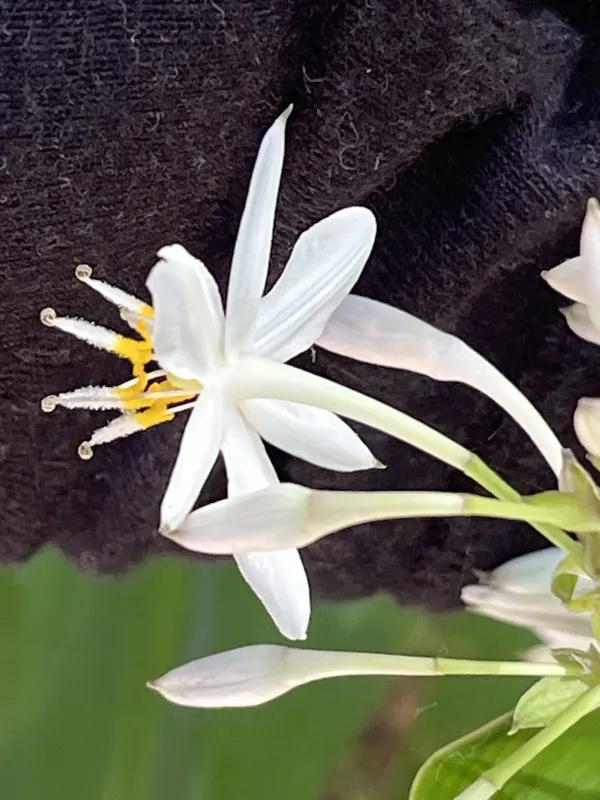
Description
Sowing dates
Arthropodium cirratum is propagated either by seeds or by dividing the rhizomes. Sowing should be performed in early spring using a well-draining, lightweight potting mix to ensure optimal germination rates.
Seeds should be sown on the surface of the soil with minimal coverage, as they require light to germinate effectively. Maintaining a consistent temperature between 18 and 20 degrees Celsius is essential during the seedling stage.
Once the seedlings develop at least two true leaves, they can be transplanted into individual pots to foster stronger root development. This preparation is crucial before moving the plants to their final outdoor location.
Transplanting into the garden should only take place after the risk of frost has passed. Ensure that the planting density allows for adequate airflow, which is critical for the overall health of the species.
Division of established clumps is best performed during the dormant season or early spring. This ensures that the plant has sufficient time to re-establish its root system before the summer heat intensifies.
Growing requirements
As a member of the Asparagaceae family, the Renga renga lily thrives in fertile, well-draining soils with a neutral pH level. Proper drainage is the most vital requirement to prevent root rot.
The plant prefers partial shade, particularly in areas with intense direct sunlight, which can scorch its broad, lush leaves. In cooler climates, it can tolerate more sun exposure throughout the day.
Regular but moderate irrigation is required. While the plant can handle short periods of dryness, consistent moisture levels without waterlogging will produce the best foliage and flowering results.
Fertilization should be handled with care; a balanced, slow-release fertilizer applied in early spring is generally sufficient to sustain the plant's growth throughout the season.
In terms of climate, Arthropodium cirratum prefers mild, frost-free conditions. In colder regions, it should be grown in containers that can be moved indoors or protected with mulch during winter.
Main diseases and pests
The most common health issues for Arthropodium cirratum are related to moisture management. Overwatering and poor soil drainage significantly increase the risk of fungal infections and root rot.
Slugs and snails are the primary pests that damage the broad, succulent-like leaves. Effective control involves using physical barriers or organic baits around the base of the plant during moist seasons.
Aphids can sometimes infest the delicate flower spikes. If an infestation occurs, regular inspection and the application of insecticidal soap or neem oil are effective ways to manage the problem.
Powdery mildew may develop if the plants are crowded and air circulation is insufficient. Maintaining proper spacing and keeping the foliage as dry as possible are key preventive measures.
Regular sanitation of the growing site, including the removal of dead or decaying leaves, helps maintain plant vigor and prevents the accumulation of pathogens in the immediate environment.