
Salacca affinis
Salacca affinis
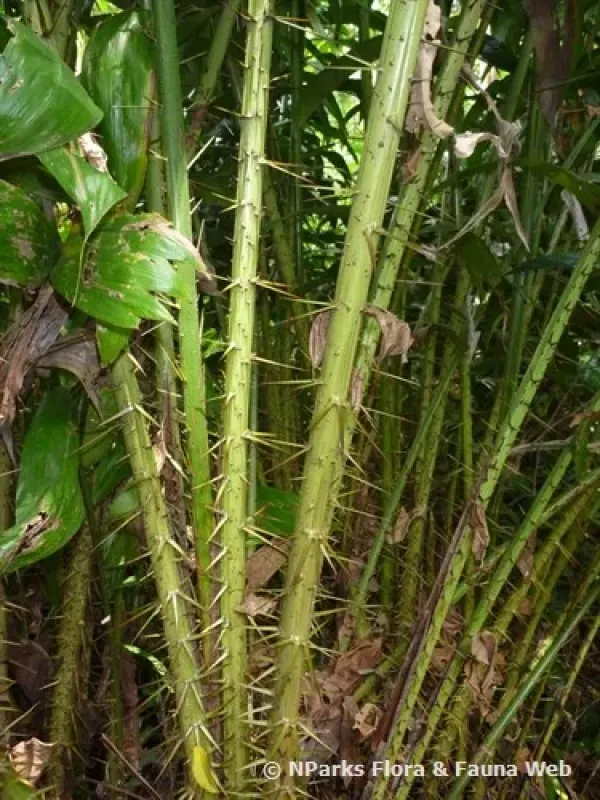
Description
Growing requirements
Salacca affinis is a distinctive species within the Arecaceae family, native to the tropical rainforests of Southeast Asia. This palm is highly valued for its adaptation to understory environments, where it grows as a low-lying shrub, forming clusters that provide essential ground cover in forest ecosystems.
The climatic requirements for Salacca affinis focus primarily on maintaining consistent high temperatures and extreme atmospheric humidity. As an equatorial species, it performs best in environments where temperatures remain between 25 and 30 degrees Celsius, with minimal seasonal fluctuation.
Soil quality is paramount for the health of this palm; it requires a deep, nutrient-rich substrate with high organic matter content. The soil must be well-draining yet capable of retaining sufficient moisture, mimicking the leaf-litter-covered forest floor of its natural habitat.
Light management requires an approach that replicates shade-grown conditions. Direct, high-intensity sunlight can damage the leaves, causing bleaching or necrotic spotting, so it is necessary to provide significant shading to protect the delicate foliage from excessive solar radiation.
Agronomic maintenance includes periodic soil testing to ensure a slightly acidic pH level, which facilitates the optimal uptake of micronutrients. Fertilization should be conducted with slow-release organic inputs that avoid sudden chemical spikes, promoting stable and sustained leaf growth.
Main diseases and pests
The primary threats to Salacca affinis are fungal pathogens, specifically those that thrive in stagnant, humid environments where airflow is insufficient. Root rot is the most devastating condition, usually triggered by poor drainage or overwatering, leading to the rapid decay of the vascular system.
Insect pests such as spider mites and mealybugs are frequent challenges, especially during periods when the palm is kept in indoor or greenhouse environments with low humidity. These pests tend to congregate in the leaf axils, making them difficult to detect until an infestation is well-established.
Effective management includes regular monitoring of the crown and the undersides of the leaflets. Implementing integrated pest management strategies, such as biological control agents or soft insecticidal soaps, helps mitigate pest populations without damaging the plant's sensitive tissues.
To prevent disease outbreaks, it is crucial to ensure that water does not accumulate in the heart of the plant. Excess moisture trapped in the crown can lead to rapid fungal infection of the apical meristem, which is often fatal for the palm.
Maintaining high hygiene standards by removing dead or necrotic leaves is essential to prevent the buildup of pathogens. By keeping the plant's vicinity clear of debris and ensuring good air movement, growers can significantly reduce the risk of secondary infections and ensure long-term viability.