
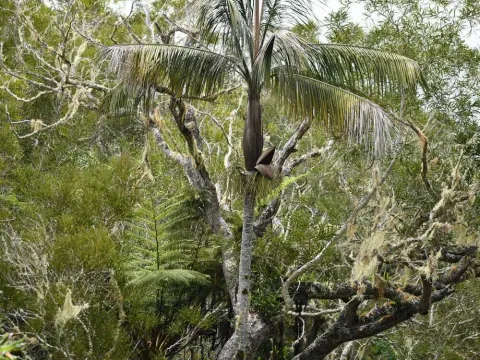
Acanthophoenix
Acanthophoenix
Propagation of Acanthophoenix is carried out exclusively through generative means, using freshly harvested seeds. The germination process is quite lengthy and requires strict adherence to temperature regimes, with optimal values ranging from 25 to 30 degrees Celsius.
What the section contains

Acanthophoenix
To accelerate germination, it is recommended to soak seeds in warm water for a few days. The sowing substrate should be light, consisting of a mixture of peat, perlite, and charcoal to prevent moisture stagnation.
Seeds are sown in containers with drainage holes, buried at a depth equal to their diameter. It is essential to maintain stable soil moisture and high atmospheric humidity in the area where the seeds are kept.
After the first true leaves appear, seedlings are transplanted into individual pots. The initial growth stage of the palm is extremely slow, so patience is required until the plant is ready for transplanting into open ground.
Acclimatization of young plants to external conditions is performed gradually, exposing them slowly to direct sunlight and natural air ventilation.
Acanthophoenix belongs to the Arecaceae family and is endemic to the Mascarene Islands. This plant has rigorous requirements for a tropical climate, where there are no drastic fluctuations in diurnal temperatures.
Optimal soils for the crop include well-drained, fertile loams with a pH ranging from slightly acidic to neutral. An important factor is the presence of a rich organic layer that mimics the forest floor of tropical rainforests.
The culture is extremely sensitive to moisture deficits in the soil; therefore, regular irrigation must be provided in growing regions. At the same time, water stagnation in the root system is strictly unacceptable, as it triggers decay processes.
The plant prefers areas with diffused lighting, especially at a young age, as direct midday rays can cause leaf burns. Mature specimens are more resilient to light but still require protection from drying winds.
Intensive development of the palm requires annual fertilization with complex mineral fertilizers containing micronutrients such as iron, manganese, and magnesium.
The agricultural use of Acanthophoenix is mainly associated with harvesting the trunk heart, known in culinary terms as "palm cabbage." Harvesting this delicacy requires destroying the entire plant, making the industry highly resource-intensive.
Due to the slow growth rate of the plant, the production cycle from seed to harvestable maturity can take many years. Yields in commercial settings are assessed by the weight of the tender heart produced per hectare of plantations.
In natural conditions, palm trunks can reach significant heights; however, for culinary purposes, they are often cut early to preserve the softness and tenderness of the young apical bud fibers.
Currently, commercial cultivation of Acanthophoenix is limited due to the threat of extinction of wild populations and challenges in mass propagation.
In addition to culinary use, the ornamental properties of the palm allow it to be used in landscape design for tropical resorts, which also provides indirect economic income.
The primary pests for Acanthophoenix are sucking insects, such as scale insects and mealybugs. These pests congregate on the underside of leaves and in the leaf axils, depleting the plant's nutrient reserves.
Under high-humidity conditions, the palm is prone to fungal diseases, particularly root rot and leaf spot. These diseases spread rapidly when irrigation management practices are neglected.
Various species of weevils pose a critical threat to young plantations, as their larvae can completely destroy the palm's apical growth point in a short period.
- Regular inspection of leaves for pest infestations.
- Timely sanitary pruning of dry and affected plant parts.
- Application of systemic fungicides to prevent fungal infections.
Disease prevention consists of maintaining optimal planting density and ensuring good air circulation between individual specimens.