
Aiphanes
Aiphanes
Aiphanes is a genus of spiny palm trees in the Arecaceae family. These plants are native to the tropical regions of Central and South America, thriving in humid, forested habitats.
What the section contains


Aiphanes
To cultivate these palms successfully, one must provide a tropical environment characterized by high ambient humidity and consistently warm temperatures throughout the year.
The plant requires a well-draining, nutrient-rich potting mix that mimics the organic-rich soils of tropical forests, ensuring no waterlogging occurs at the roots.
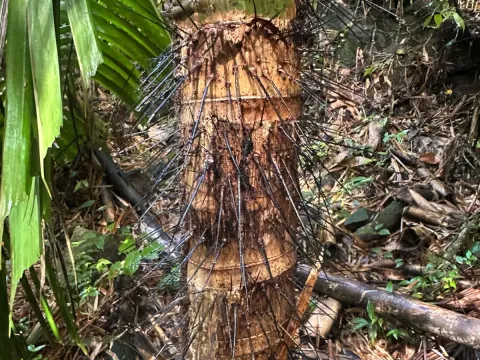
A distinguishing botanical feature of Aiphanes is the presence of sharp spines on the trunks, petioles, and sometimes leaves, which serve as a natural defense mechanism.
In temperate climates, the genus is grown exclusively in greenhouses or as indoor plants, as they cannot withstand frost or significant temperature drops.
While not a major commercial agricultural crop, the genus is valued primarily for its striking ornamental appeal, often featuring pinnate leaves and vibrant fruit clusters.
Some species within the genus produce edible fruits which are consumed locally in their native range, though large-scale production data remains limited.
Ornamental production involves selecting varieties with the most attractive foliage and ensuring healthy growth through controlled fertilization and light exposure.
Propagation is primarily achieved via seeds, which require high humidity and warmth for successful germination, often taking several weeks to sprout.
Growth rates are generally moderate; consistent care and proper container sizing allow the plant to maintain its structural beauty over many years.
The most common pests affecting these palms are spider mites and scale insects, particularly when grown in environments with low humidity and poor ventilation.
Root rot is a critical threat often caused by overwatering or poor drainage, which can lead to rapid decline if the soil is not allowed to dry slightly between waterings.
Fungal leaf spot diseases may develop in stagnant, humid air, necessitating better air circulation and the removal of affected foliage to prevent further spread.
Nutrient deficiencies, particularly chlorosis caused by iron or magnesium shortages, are common if the soil pH is not maintained within the optimal range.
Regular monitoring and integrated pest management practices are essential to keep the palms healthy, especially in enclosed indoor or greenhouse settings.