
Cliff Date Palm
Phoenix rupicola
Description
Growing requirements
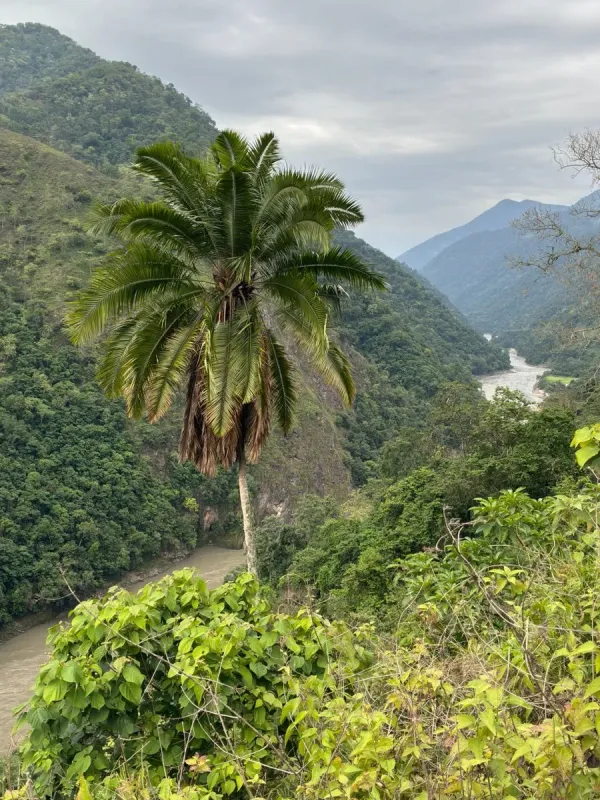
The Cliff Date Palm (Phoenix rupicola) belongs to the Arecaceae family and is native to the lower mountain slopes of the Himalayas. This palm is highly prized in landscaping and indoor horticulture for its slender trunk and gracefully arching, bright green fronds.
To thrive, this plant requires bright, indirect light. While it can tolerate some morning sun, midday exposure in hot climates can scorch the leaves. It prefers temperatures between 20°C and 25°C, and it is less cold-hardy than other date palm varieties.
Soil requirements involve a well-draining, nutrient-rich substrate. A standard mix of potting soil with additional perlite or coarse sand is recommended to prevent waterlogging, as the root system is highly sensitive to moisture accumulation.
Watering should be consistent but moderate. During the growing season, keep the soil slightly moist, but ensure the top layer dries out before the next irrigation. In winter, reduce watering frequency significantly to allow the plant a resting period.
Humidity management is essential for healthy foliage. Regular misting is necessary in dry environments, especially in heated indoor spaces, to maintain the appearance and vitality of the palm's fronds.
Main diseases and pests
The primary pests affecting Phoenix rupicola are scale insects, spider mites, and mealybugs. These sap-sucking pests often gather on the underside of the leaves or near the base of the stems, causing stunted growth and yellowing.
Fungal diseases are frequently associated with improper drainage and poor ventilation. Overwatering often leads to root rot, which is characterized by dark, mushy roots and a general decline in the plant's health.
Leaf spot infections can occur if the foliage remains wet for extended periods in environments with low light. Improving airflow and removing infected fronds are critical steps in managing these outbreaks.
To prevent infestations, it is recommended to clean the fronds regularly with a damp cloth and perform periodic inspections. Horticultural oils or systemic insecticides can be applied if a pest population is identified.
Providing optimal environmental conditions remains the most effective defense against diseases. A well-nourished palm with sufficient sunlight will naturally demonstrate higher resilience against common pathogens.