
Phoenix loureiroi
Phoenix loureiroi
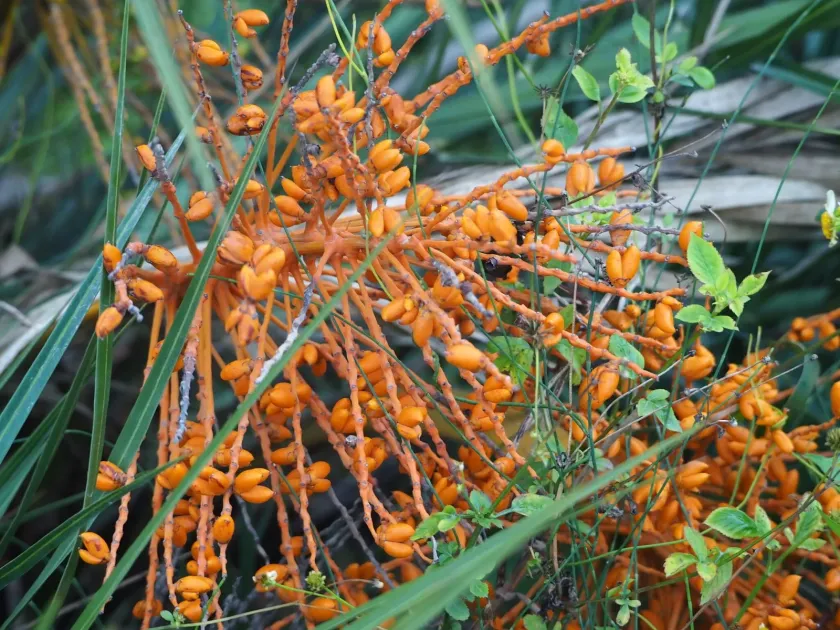
Description
Growing requirements
Phoenix loureiroi is a perennial species belonging to the Arecaceae family, originating from the diverse tropical and subtropical regions of Southeast Asia. This palm is known for its robust nature and adaptability, often serving both ornamental and local utilitarian purposes in its native range.
The plant thrives in full sun exposure, which is critical for maintaining its compact growth habit and foliage coloration. It is highly resilient and can tolerate diverse soil conditions, provided that the growing medium ensures excellent drainage to prevent root asphyxiation during the wet season.
Climatic requirements focus on a warm environment, as the species is sensitive to prolonged frost. While it can survive brief cold spells, consistent growth is observed in temperatures ranging between 18°C and 30°C. Adequate air circulation is mandatory to maintain plant vigor and prevent humidity-related issues.
Water management is a key aspect of its agrotechnology; during the active growth period, it requires consistent moisture. However, it displays a noteworthy level of drought tolerance compared to other palm species once established. Supplemental irrigation should be scaled back during the cooler months to mimic its natural dormancy.
Morphologically, it is a multi-stemmed or solitary palm featuring stiff, pinnate leaves with sharp basal spines. Its relatively slow growth rate makes it a suitable candidate for managed landscapes and container cultivation in temperate regions where it can be moved indoors during winter.
Main diseases and pests
Phoenix loureiroi is primarily susceptible to fungal diseases such as leaf spot and rot, which frequently occur in environments with poor ventilation or stagnant water around the root base. Maintaining a dry crown area during cooler weather is essential to minimize these risks.
Pest pressure often comes from sap-sucking insects like mealybugs and scale insects. These pests colonize the undersides of the leaves and the tight spaces near the leaf bases, potentially causing significant yellowing and overall decline of the plant’s vitality.
Spider mites are another common threat, especially in indoor settings with low atmospheric humidity. Regular misting of the foliage and checking the plant for webbing are recommended practices to detect and control these micro-pests before they reach an infestation level.
Integrated pest management (IPM) is the most effective approach for this palm. It involves the combination of horticultural oil applications, physical removal of pests, and chemical intervention with systemic insecticides only when necessary, ensuring the safety of the surrounding environment.
Sanitation practices such as the prompt removal of decaying fronds and the disinfection of pruning tools are vital. These simple actions prevent the transmission of pathogens, ensuring that the palm remains healthy throughout its multi-year lifespan in both cultivation and nature.