
Laccospadix australasicus
Laccospadix australasicus
Description
Growing requirements
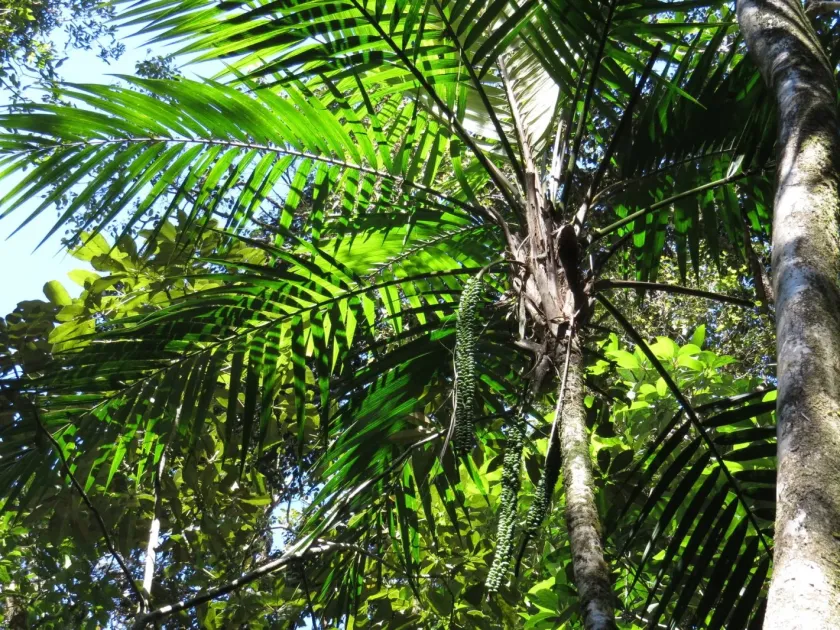
Laccospadix australasicus, commonly known as the Atherton Palm, belongs to the Arecaceae family and is native to the high-altitude rainforests of Queensland, Australia.
This species thrives in cool to warm tropical environments, requiring consistent ambient moisture and protection from harsh, drying winds or direct midday sun.
It prefers a rich, well-draining soil mix that remains moist but not waterlogged, mimicking the forest floor conditions of its natural habitat.
Light levels should be kept at partial to deep shade; this plant is an understory specialist and is highly susceptible to leaf scorch in intense light.
Regular fertilization with a balanced, slow-release palm fertilizer during the growing season is essential for maintaining vibrant, deep green fronds.
Main diseases and pests
Scale insects and mealybugs are the primary pests affecting this palm, often gathering in the leaf axils where they are difficult to remove manually.
Root rot caused by Phytophthora or Pythium species is a major threat, usually resulting from poor drainage or excessive irrigation in cold weather.
Spider mites can infest the foliage if the plant is kept in an environment with very low humidity, leading to yellowing and eventual leaf drop.
Proper airflow is critical to prevent fungal leaf spots and mold growth, which can occur if the foliage remains wet for extended periods in stagnant air.
Consistent monitoring and the use of horticultural oils or systemic insecticides are recommended to maintain the health and aesthetic value of the specimen.