
Laccospadix
Laccospadix
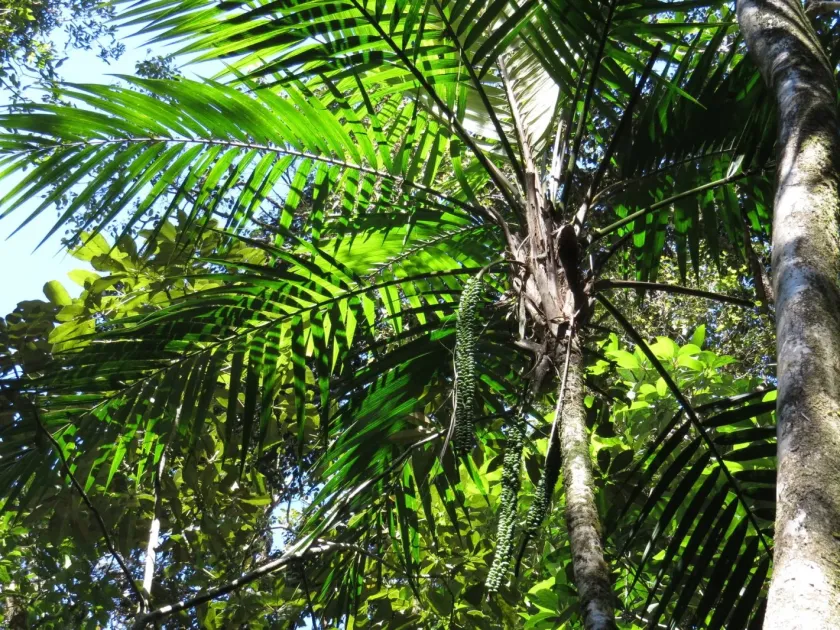
Description
Sowing dates
Laccospadix, commonly known as the Atherton Palm, is a genus in the Arecaceae family. Propagation is primarily achieved through seeds, which should be harvested when fully mature and sown immediately for the best germination results.
The seeds require a warm and humid environment for successful sprouting. A mixture of peat moss and perlite is recommended as it provides the necessary moisture retention while ensuring good aeration for the developing roots.
During the germination phase, temperatures should be consistently maintained between 25 and 28 degrees Celsius. Placing the containers on a heated propagation mat can significantly speed up the emergence of the seedlings.
Once the seedlings have developed their first true leaves, they should be transplanted into individual pots. It is crucial to be gentle with the delicate root system, as young Laccospadix palms are susceptible to transplant shock.
Maintaining a stable environment with diffused light is essential for the young plants to mature properly. Avoid exposing them to direct, harsh sunlight, which can easily scorch the soft tissue of the juvenile foliage.
Growing requirements
This palm species thrives in the understory of tropical rainforests, which dictates its preference for shaded locations. In a domestic or greenhouse setting, filtered sunlight is the ideal condition for sustained growth.
The soil requirements for Laccospadix include high organic content and excellent drainage. A mix tailored for tropical plants, consisting of compost, pine bark, and coarse sand, mimics their natural habitat effectively.
Climate control is vital; the plant requires high relative humidity to remain healthy. Regular misting of the fronds is highly recommended to replicate the misty conditions of its native Australian montane forests.
The ideal temperature range for this palm is moderate, between 18 and 24 degrees Celsius. It should be kept away from heating vents, air conditioners, and any drafts that could cause rapid changes in moisture levels.
Watering should be balanced, ensuring the substrate remains damp but never waterlogged. Always use water that is at room temperature to avoid shocking the palm, and ensure that the pot has adequate drainage holes.
Main diseases and pests
Spider mites are the most common pest problem for Laccospadix, especially in indoor environments where the air is dry. They create fine webs on the undersides of leaves and cause the foliage to become discolored.
Mealybugs and scale insects may also infest the plant, hiding in the crevices of the trunk and the base of the fronds. These pests should be physically removed or treated with appropriate horticultural oils if the infestation is heavy.
Root rot is the most significant disease threat, typically caused by overwatering or poorly draining soil. If the fronds start yellowing or the base of the palm feels soft, immediate action to improve drainage is required.
Preventive maintenance includes keeping the leaves clean of dust, which improves the plant's ability to breathe and reduces the likelihood of attracting pests. Occasional gentle cleaning with a damp cloth is highly beneficial.
In cases of severe fungal or bacterial outbreaks, systemic fungicides or bactericides should be used according to the manufacturer's instructions. Always isolate the infected plant to prevent the spread to other collections.