
Iriartea
Iriartea
Description
Growing requirements
Iriartea is a genus of large tropical palms belonging to the Arecaceae family. These plants are native to the rainforests of Central and South America, where they thrive in warm and highly humid conditions throughout the year.
The primary environmental requirement for Iriartea is a frost-free climate with consistent temperatures. Even minor cold snaps can cause irreversible damage to the plant's delicate vascular tissues and growth point.
Soil conditions must be rich in organic matter and possess excellent drainage properties. While the plant loves moisture, it cannot tolerate waterlogging, which often leads to root rot and other physiological issues in dense soils.
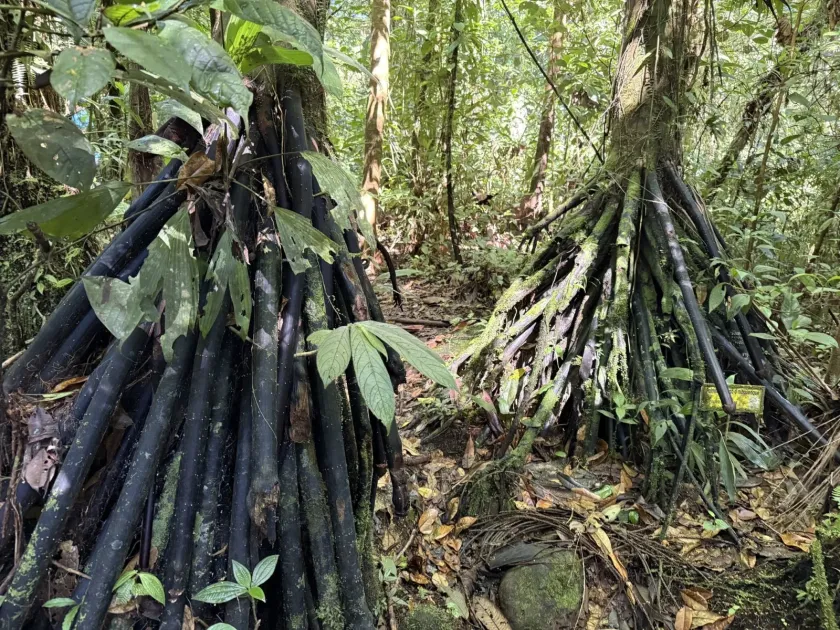
A notable botanical characteristic of Iriartea is its iconic stilt roots. These roots grow above the ground, supporting the palm and providing stability in the soft, saturated soil of its natural tropical habitat.
Sunlight requirements vary with the age of the palm. Young plants often grow in the forest understory, requiring filtered light, while mature specimens dominate the canopy and thrive in full sun exposure.
Yield
Iriartea is economically significant primarily for its timber. The hard, dense outer wood of the stem is prized in local construction for building structural supports, flooring, and durable tools.
The leaves of the palm are widely used in traditional handicrafts, including weaving baskets and mats, as well as providing roofing material for rural housing in tropical regions.
While not a major commercial food crop, the fruits are a valuable food source for local fauna, playing an essential role in the ecosystem of the neotropical rainforest.
The management of Iriartea resources requires a long-term perspective due to the palm's relatively slow growth rate, making sustainable harvesting practices vital for local communities.
In ornamental horticulture, the Iriartea is sought after for its architectural beauty. Its straight stem and unique root structure make it a focal point in high-end tropical landscaping and botanical gardens.
Main diseases and pests
The most common disease risks for Iriartea are related to soil-borne pathogens and fungal infections triggered by excessive moisture or poor aeration within the root zone.
Insect pests, particularly palm weevils, pose a major threat. These insects bore into the trunk, causing significant structural damage that can eventually lead to the collapse or death of the palm.
Mite infestations can occur during periods of low humidity, causing visible damage to the leaflets and potentially stunting the growth of younger palms.
Defoliation by caterpillars can occur in natural forest settings, although mature trees usually tolerate moderate herbivory without long-term negative impacts on their survival.
Habitat loss due to deforestation is a critical threat. The fragmentation of the rainforest directly impacts the survival of Iriartea populations by limiting pollination and dispersal mechanisms.