
Howea belmoreana
Howea belmoreana
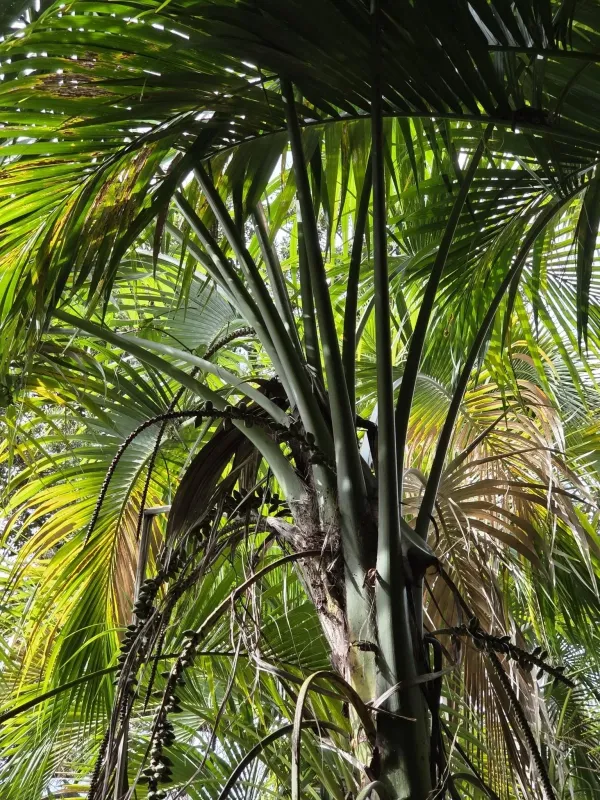
Description
Growing requirements
Howea belmoreana, commonly known as the Belmore sentry palm, is a member of the Arecaceae family. This ornamental crop is native to Lord Howe Island, where its biological characteristics have adapted to subtropical oceanic conditions, making it a highly prized plant for professional horticulture.
The crop thrives in bright, indirect light, as direct sunlight can cause significant damage to the foliage. It requires a stable temperature range, ideally between 18 and 24 degrees Celsius, and is intolerant of sudden cold drafts or extreme temperature fluctuations.
Cultivation requires a well-draining, nutrient-rich soil medium with a slightly acidic to neutral pH. Providing an adequate drainage layer at the bottom of the container is essential to prevent root asphyxiation, which is a common issue in intensive palm cultivation.
Irrigation practices must be precise; the growing medium should be allowed to dry out slightly between waterings to ensure proper oxygen exchange in the root zone. Consistent soil moisture is important, but waterlogging must be avoided at all costs to ensure plant longevity.
In terms of agricultural and landscape usage, Howea belmoreana is an essential indoor ornamental, favored for its slow growth rate and architectural elegance. It is widely used in commercial office spaces and atrium designs for its high aesthetic value and air-purifying properties.
Main diseases and pests
Common pests affecting this crop include spider mites, mealybugs, and scale insects, particularly in environments with low humidity. Integrated pest management strategies, such as physical cleaning of leaves and biological controls, are recommended for maintaining plant health.
Root rot and leaf spot diseases are the primary pathological threats, usually induced by poor drainage or excessive atmospheric humidity. Effective management involves applying fungicides and ensuring proper ventilation within the cultivation area.