
Euterpe precatoria
Euterpe precatoria
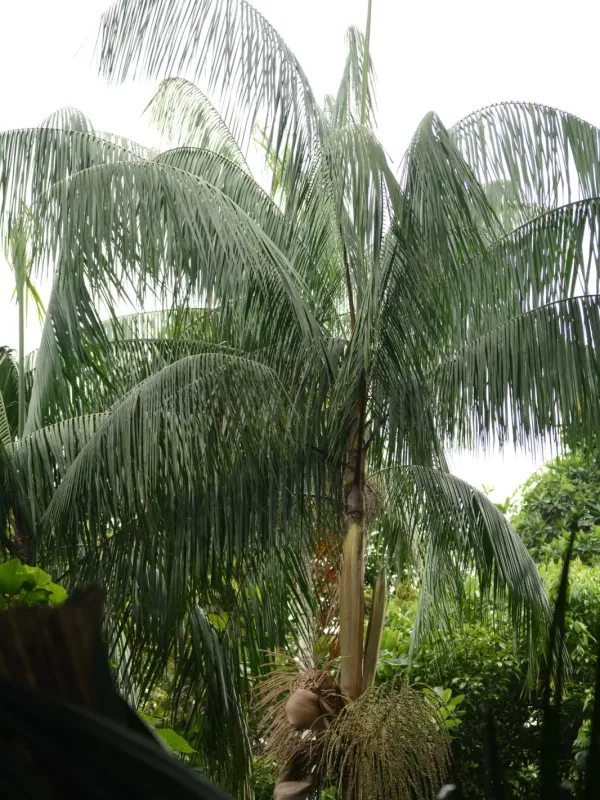
Description
Sowing dates
Propagation of Euterpe precatoria is carried out primarily through seeds, as this species does not typically produce root suckers. Seeds have a short viability period, so planting should be done immediately after harvesting the fruits into a prepared substrate.
For germination, light, well-draining soil mixtures with high organic matter content are used. The germination temperature should be maintained between 28 and 30 degrees Celsius with high air humidity.
Once the first true leaves appear, seedlings are transplanted into individual containers. It is crucial to provide them with semi-shaded conditions, as young plants are extremely sensitive to direct sunlight in their early stages.
Planting young palms in their permanent location in tropical gardens or plantations is usually done at the beginning of the rainy season. This provides the plants with the necessary moisture for successful establishment before the onset of any potential dry period.
During cultivation, it is important to follow a spacing scheme that ensures enough room for development. The recommended distance between trees is at least 4–5 meters to allow for proper crown and root system expansion.
Growing requirements
Euterpe precatoria belongs to the Arecaceae family and is a typical species found in the humid tropical forests of South and Central America. The crop prefers regions with abundant rainfall and no distinct dry season.
The plant demonstrates optimal growth in deep, humus-rich loamy soils with good drainage. It does not tolerate waterlogging, although it requires consistently moist soil to support its high metabolic activity.
For the normal development of this culture, the temperature regime is critical and should not drop below 20 degrees Celsius. Euterpe precatoria is not frost-tolerant and will perish if exposed to low temperatures even for short durations.
The ideal lighting for adult plants is bright, indirect sunlight or direct sun provided there is sufficient soil moisture. In dense forest stands, the palm can tolerate shading, which affects the rate of biomass accumulation.
Agricultural maintenance includes regular mulching of the root zones to conserve soil moisture. Periodic application of balanced mineral fertilizers with essential micronutrients is required during the active growth phase.
Yield
The economic value of this crop lies in its fruit production, which shares similar properties and nutritional composition with the more famous Euterpe oleracea, or acai. Harvesting of berries typically begins 5–7 years after planting.
Another major product is the heart of palm, harvested from the apical meristem. Unlike species that produce suckers, harvesting the heart of Euterpe precatoria results in the death of the entire tree, which limits large-scale production of this specific product.
Yields of the berries depend heavily on light levels and soil fertility. A single adult tree can produce several bunches of fruit annually, with a total weight that can reach 10–15 kilograms.
The fruits are harvested manually, often using special tools to climb the tall palm trunks. Fruit quality is directly dependent on the timeliness of the harvest and the conditions under which it is transported.
After harvesting, the berries quickly lose their commercial value, so primary processing or deep freezing must be conducted within the first 24 hours. This preserves the antioxidants and essential fatty acids found in the fruit pulp.
Main diseases and pests
The most common pests for Euterpe precatoria are weevils, which can attack the terminal bud or growth point. Damage to the meristem often leads to the death of the palm, requiring constant monitoring of trunk health.
In high humidity conditions, the plants are susceptible to fungal diseases of the root system. Root rot develops during water stagnation, necessitating strict control over drainage systems on plantations.
Leaf spot diseases caused by fungi and bacteria can reduce the photosynthetic activity of the plant. Prevention involves maintaining optimal planting density and ensuring good air circulation within the canopy.
Nematodes pose a serious threat to young seedlings in nurseries by damaging roots and inhibiting nutrient uptake. Using biological methods for nematode control is preferred over heavy chemical treatments.
Animals, such as monkeys and certain bird species, can cause significant damage to fruit yields. Protecting plantations often requires the installation of deterrent systems or the use of protective nets during the ripening phase.
Harvesting
Harvesting the fruit requires skilled laborers, as the palm trunk can reach significant heights. The harvest is performed during the stage of full technical maturity, when berries acquire their characteristic dark color.
When harvesting the heart of palm, the entire plant is cut down, which requires advance planning of the planting area. This is a radical method that necessitates crop rotation or cyclical renewal of plantation plots.
Tools used for harvesting must be sanitized to eliminate the risk of spreading pathogenic microorganisms between trees. Cleanliness of tools is vital for the health of the entire plantation.
For transporting the harvested fruits, perforated containers are used to allow air circulation and prevent overheating. High temperatures after harvest accelerate fermentation and spoilage processes.
After the harvest is complete, sanitary measures should be performed: removal of plant debris, clearing the area of weeds, and fertilization to replenish tree resources before the next productive cycle.