
Açaí palm
Euterpe oleracea
Description
Growing requirements
The Açaí palm (Euterpe oleracea) is a species of palm belonging to the Arecaceae family, native to the tropical regions of South America. This culture is predominantly found in the floodplains and swamps of the Amazon estuary, where it thrives in hydromorphic soil conditions.
The plant demands a warm, humid climate with temperatures consistently above 20°C and abundant annual rainfall. It cannot tolerate drought or frost, making its cultivation strictly limited to tropical latitudes where stable high humidity and nutrient-rich, water-retentive soils are available.
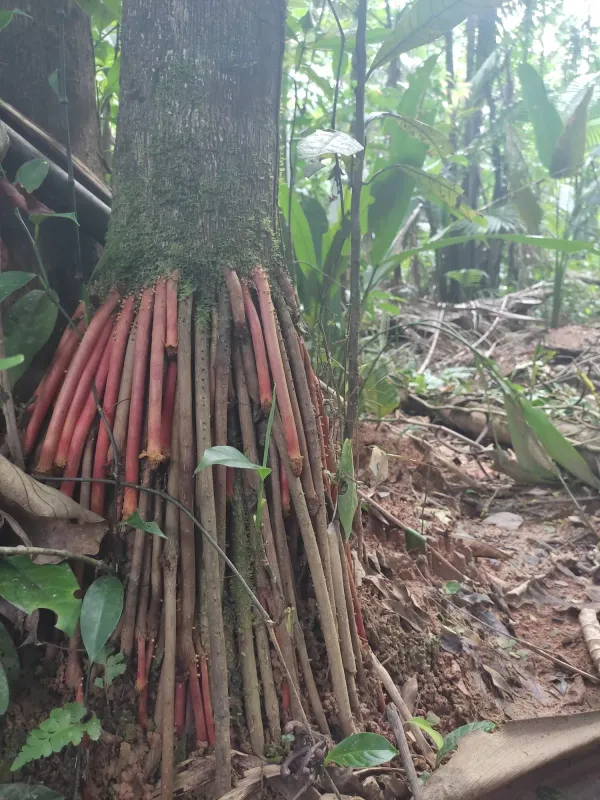
Botany of the Euterpe oleracea is distinctive, characterized by slender, multi-stemmed trunks that can reach heights of up to 25 meters. The crown consists of gracefully arching, pinnate leaves, while the inflorescences produce dense clusters of small, dark purple berries that are harvested for their nutritional content.
Economically, the Açaí palm is highly versatile; it is cultivated both for its small, energy-dense fruits, which are processed into pulp, and for the harvesting of hearts of palm. The latter is an extraction from the growing tip of the stem, often considered a culinary delicacy worldwide.
Modern agronomy focuses on managed wild-harvesting and plantation systems that optimize plant density to maximize yield. Effective management involves selective thinning of stems and careful nutrient supplementation to ensure the trees remain vigorous and productive throughout their long lifecycle.
Yield
The yield per hectare is significantly impacted by the genetic variety and the quality of water management. A mature Açaí palm can produce several clusters of fruit per season, with a single tree capable of yielding up to 20 kilograms of berries, supporting vital local economies in its native range.
Main diseases and pests
The main threats to Açaí production include fungal infections such as leaf blight, often exacerbated by high canopy density and stagnant air. Pest pressure, particularly from wood-boring insects, requires integrated pest management strategies to prevent damage to the palm's vascular system.
Harvesting
Harvesting Açaí is a skilled task often performed by local farmers climbing the trunks manually. Because the berries oxidize rapidly upon being plucked, they must be processed, typically by pulping and freezing, within hours to maintain their high levels of antioxidants and nutritional integrity.