
Cyphosperma trichospadix
Cyphosperma trichospadix
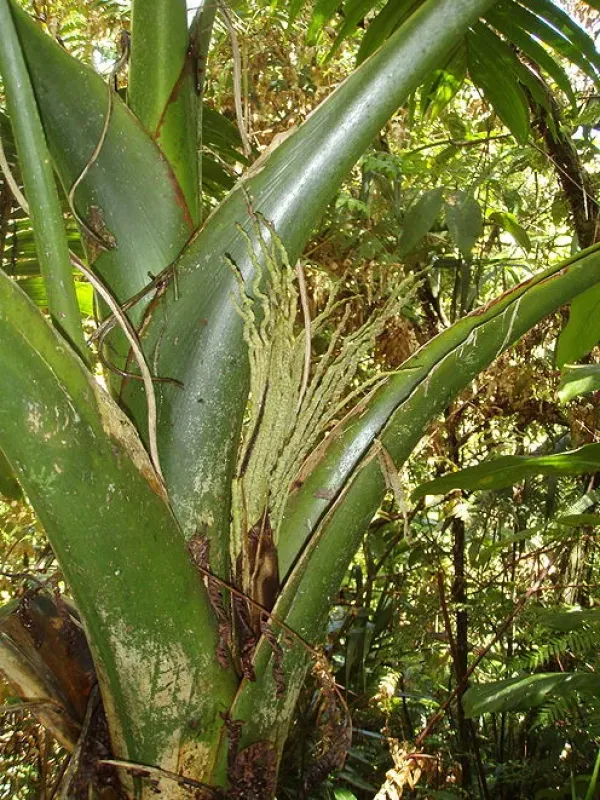
Description
Sowing dates
Propagation is primarily achieved through seeds, which must be sown fresh to ensure the highest germination success rate for this species.
The seeds should be planted in a well-draining peat-based medium, kept consistently warm to simulate the tropical environment of their origin.
Optimal germination requires temperatures between 25 and 30 degrees Celsius, often necessitating the use of heating mats in non-tropical climates.
After the initial germination phase, seedlings should be placed in bright, diffused light to encourage healthy development of the first true leaves.
Patience is required, as the germination of Cyphosperma trichospadix can be irregular and may take several months depending on seed freshness and humidity levels.
Growing requirements
Cyphosperma trichospadix belongs to the Arecaceae family and is recognized as a rare, elegant palm species native to the humid forests of Vanuatu.
This species demands high ambient humidity levels and will struggle in standard low-humidity indoor environments without additional misting.
The substrate must be rich in organic matter and possess exceptional drainage capabilities to prevent root hypoxia and subsequent rotting.
The palm thrives in temperatures that remain constant year-round, avoiding any exposure to frost or temperatures below 15 degrees Celsius.
Exposure to direct, harsh sunlight should be avoided, especially for young specimens, as it can scorch the foliage and hinder growth.
Main diseases and pests
Spider mites are the most common pest challenge, especially in indoor environments where the air may become excessively dry during winter months.
Scale insects can occasionally attach to the stems and leaves, extracting nutrients and weakening the overall vigor of the palm tree.
Root rot, driven by overwatering or poorly aerated soil mixtures, is a significant threat that often results from improper drainage management.
Fungal leaf spot diseases can emerge if the foliage remains wet for prolonged periods without adequate ventilation or airflow.
Regular inspection of the underside of the leaves and the base of the stem is essential for the early detection and control of potential infestations.