
Chrysalidocarpus psammophilus
Chrysalidocarpus psammophilus
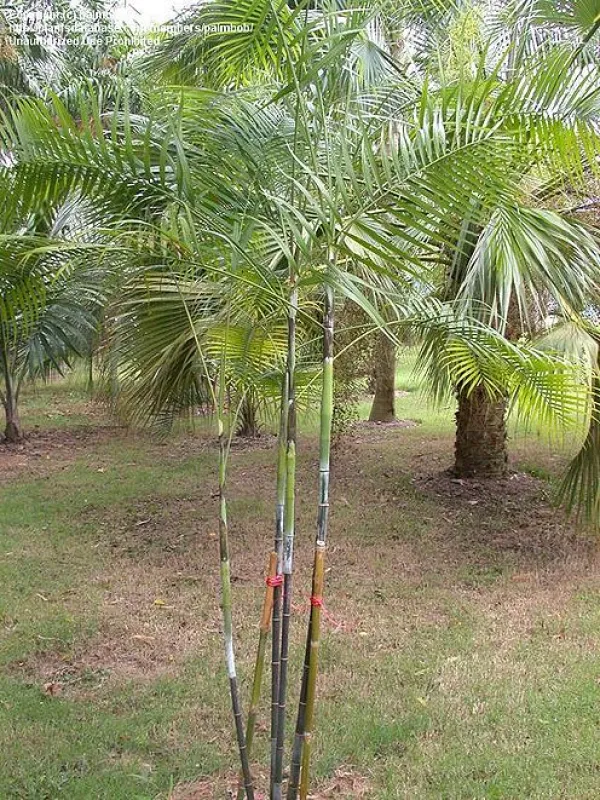
Description
Growing requirements
Chrysalidocarpus psammophilus belongs to the Arecaceae family. Originating from specific sandy habitats, this palm has adapted to well-drained, nutrient-poor substrates in its natural environment.
The climate requirements for this species include consistent warmth and high levels of ambient humidity. It thrives in bright, filtered light and should be protected from harsh, direct sunlight that can scorch its fronds.
The cultivation of this palm demands soil with excellent aeration. A mixture comprising peat, sand, and organic matter is ideal to ensure that water does not remain trapped around the root system.
Watering techniques are crucial for long-term health. The soil should remain consistently moist but never waterlogged, which is why a proper drainage layer at the bottom of the pot or bed is mandatory.
Economically, it serves as a highly valued ornamental plant. It is widely used in landscape design within tropical and subtropical zones, as well as an elegant indoor plant for large commercial spaces.
Main diseases and pests
The primary threats to this palm include root rot, which typically stems from overwatering. This condition is often irreversible if not detected at the earliest stages of symptom development.
Common pests include spider mites and mealybugs. These insects thrive in dry indoor environments and target the tender growth points and the underside of the leaflets, causing stunted growth.
Integrated pest management involves physical removal of insects and the application of horticultural soaps or systemic insecticides when infestation levels exceed acceptable thresholds.
Nutrient deficiencies, particularly involving nitrogen and potassium, can cause leaf chlorosis. Consistent fertilization with palm-specific formulas is recommended to maintain the vibrant green color of the foliage.
Environmental stress, such as sudden drops in temperature or drafts, can make the plant susceptible to secondary bacterial infections. Maintaining a stable climate is the best preventative strategy for this species.