
Chrysalidocarpus prestonianus
Chrysalidocarpus prestonianus
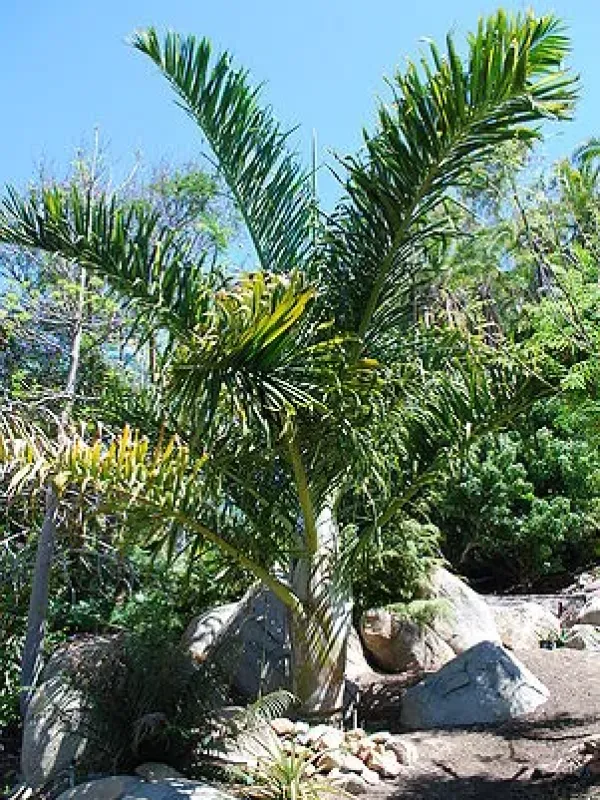
Description
Growing requirements
Chrysalidocarpus prestonianus is a notable perennial palm species belonging to the Arecaceae family. Botanically, it is frequently associated with the genus Dypsis, and it is widely recognized for its elegant pinnate foliage and rapid growth rate in optimal conditions.
Originating from the tropical forests of Madagascar, this culture thrives in humid environments. The species is restricted to tropical climates where high ambient moisture and stable warm temperatures are present throughout the calendar year.
The culture requires well-draining, sandy-loam soil rich in organic matter. A neutral to slightly acidic pH level is ideal for nutrient uptake. Given its natural adaptation to rainforest floors, the palm prefers filtered light rather than harsh, direct afternoon sun.
Temperature management is critical for this species. It demands a range of 22 to 28 degrees Celsius, as sudden cold spells or drafts can cause significant tissue damage. Protection from wind is necessary to maintain the integrity of its long, arching fronds.
Commercially, this palm is utilized primarily in interior landscaping and ornamental horticultural trade. Its aesthetic appeal makes it a premium choice for botanical gardens and luxury hotel interiors where tropical ambiance is required.
Main diseases and pests
The primary threats to Chrysalidocarpus prestonianus include fungal pathogens that manifest as root rot and leaf spot. These diseases are usually triggered by poor drainage and excessive irrigation practices in greenhouse environments.
Pests such as spider mites, scale insects, and mealybugs frequently target the plant. These pests thrive in dry air, causing loss of sap and structural damage to the foliage, which leads to a significant decline in the plant's decorative value.
Nutrient management is essential to prevent physiological disorders. Potassium and magnesium deficiencies often lead to yellowing leaves, which necessitates the application of specifically formulated palm fertilizers during the peak growing season.
Integrated pest management (IPM) is recommended for large-scale production. This includes the introduction of natural predators or the careful use of organic-based insecticides to ensure both the plant's health and environmental safety.
Regular sanitation of the canopy is vital. Removing dead or damaged fronds prevents the accumulation of organic debris that could harbor pathogenic spores, thereby sustaining the longevity and appearance of the crop.