
Chrysalidocarpus pembanus
Chrysalidocarpus pembanus
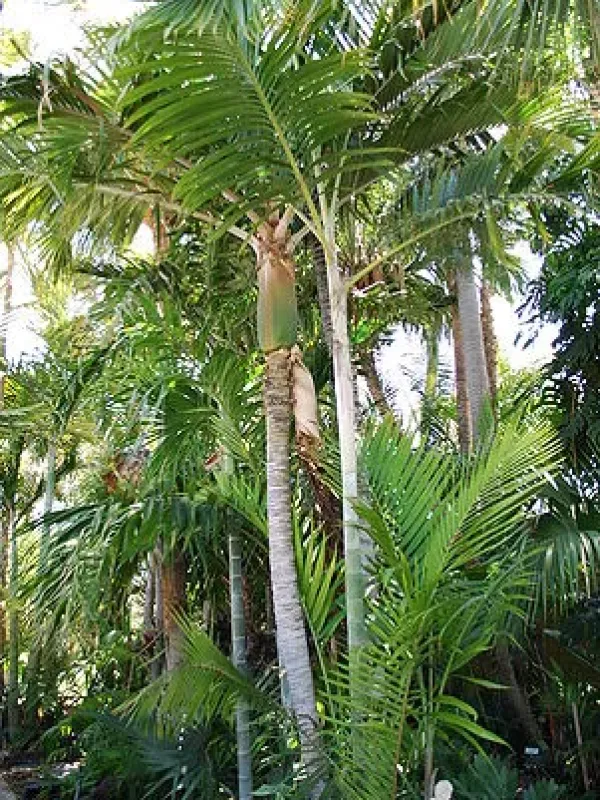
Description
Growing requirements
Chrysalidocarpus pembanus, frequently referred to in horticulture by its synonym Dypsis pembanus, is a distinguished species within the Arecaceae family. Native to Pemba Island, this palm is prized for its solitary, elegant stem and magnificent crown of pinnate leaves, making it a sought-after specimen for tropical landscapes.
Successful cultivation of this palm requires an environment that mimics its natural tropical habitat. Consistent warmth, with temperatures ideally ranging between 22 and 28 degrees Celsius, is essential for maintaining optimal metabolic rates and steady growth throughout the year.
The substrate must be well-draining yet capable of holding sufficient moisture. A mixture of peat, perlite, and coarse sand provides an ideal balance of aeration and water retention, preventing the risk of waterlogging that could lead to root hypoxia.
Lighting requirements are significant; while the plant thrives in bright, indirect light, it is sensitive to intense, direct noon sunlight. In interior settings, placing the plant near a north or east-facing window generally yields the best results without risking leaf scorching.
Maintenance involves routine fertilization during the active growing season using a balanced, slow-release fertilizer enriched with microelements. Regular misting of the fronds is highly recommended to ensure the plant maintains a lush appearance and avoids desiccation from dry indoor air.
Main diseases and pests
Root rot is the most significant pathological threat to Chrysalidocarpus pembanus, often triggered by over-watering or poor drainage systems. Symptoms include yellowing of lower fronds and a distinct decline in plant vigor, necessitating immediate adjustment to irrigation habits.
Spider mites are common arthropod pests that thrive in low-humidity environments. These tiny pests weave delicate webs on the underside of leaves, causing speckling and tissue necrosis. Regular inspection and maintaining high atmospheric humidity are key preventive strategies.
Scale insects frequently target the stems and leaf bases, where they attach themselves to feed on sap. Controlling these pests requires manual removal followed by the application of appropriate horticultural oils or systemic insecticides to prevent recurrence.
Nutrient deficiencies, particularly involving iron and magnesium, can result in interveinal chlorosis, which diminishes the ornamental value of the foliage. Applying chelated micronutrients can effectively resolve these symptoms and restore the healthy deep green color of the leaves.
Preventative maintenance, including the removal of dead or decaying lower leaves, not only improves the aesthetic appeal but also reduces the likelihood of fungal colonization, ensuring the long-term health and vitality of the palm in a managed agricultural or ornamental setting.