
Madagascar palm
Chrysalidocarpus madagascariensis
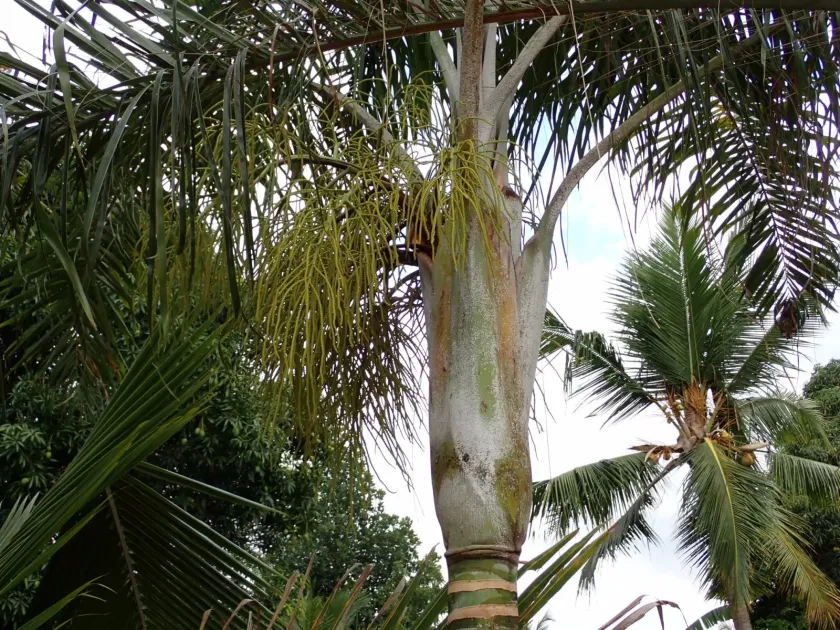
Description
Growing requirements
The Madagascar palm is a perennial ornamental plant belonging to the Arecaceae family. It is known for its elegant pinnate fronds and slender, ringed trunks that provide a distinct tropical aesthetic in both interior and landscape designs.
Native to the island of Madagascar, this species thrives in humid rainforest environments. In agricultural and horticultural practices, it requires specialized care to replicate these natural conditions, particularly concerning atmospheric moisture levels.
This crop prefers stable temperatures between 20°C and 28°C. Cold drafts and sudden temperature fluctuations must be avoided, as they can cause significant stress, leading to leaf desiccation and poor overall plant vigor.
Soil requirements involve a well-draining, slightly acidic to neutral substrate rich in organic matter. Proper aeration is crucial to prevent the compaction of the root zone, which can impede the uptake of water and vital nutrients.
Bright, indirect light is essential for optimal growth. Direct exposure to harsh midday sun can lead to chlorosis and leaf burn, while insufficient lighting typically results in stunted growth and the loss of the plant's natural green pigmentation.
Main diseases and pests
The most prevalent pests affecting this palm are spider mites, which thrive in dry environments. Regular misting and keeping the surrounding humidity high are primary methods of preventive management against these microscopic pests.
Scale insects and mealybugs also pose a significant threat by sap-sucking from the stems and leaves. If an infestation occurs, horticultural oils or systemic insecticides are usually required to effectively mitigate the population.
Root rot is the most serious disease, caused primarily by over-irrigation or stagnant water in the bottom of the container. Once the root system is compromised, the plant struggles to recover, making prevention through drainage control critical.
Leaf spot diseases often occur due to poor ventilation and excessive moisture accumulation on the foliage. Ensuring a consistent airflow around the plant helps keep the leaf surfaces dry and inhibits fungal pathogen development.
Monitoring the plant health involves periodic inspections of the underside of leaves and the soil surface. Early detection of any anomalies significantly increases the success rate of recovery and maintains the plant's market quality.