
Chrysalidocarpus leucomallus
Chrysalidocarpus leucomallus
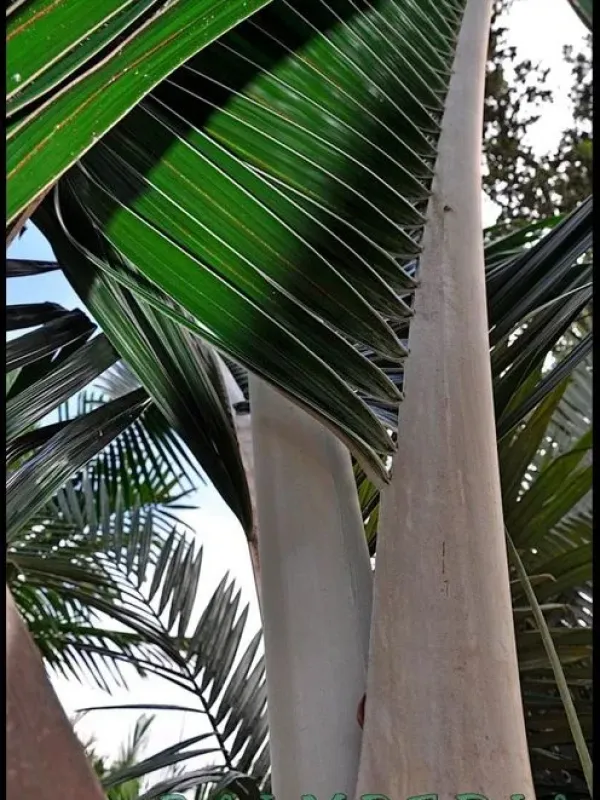
Description
Growing requirements
Chrysalidocarpus leucomallus belongs to the Arecaceae family and is native to the diverse ecosystems of Madagascar. It is a highly valued ornamental palm known for its elegant foliage.
The cultivation of this species requires a tropical climate with consistent temperatures. Ideally, the ambient temperature should remain between 22 and 28 degrees Celsius, avoiding any cold stress.
High humidity levels are essential for the healthy development of this palm. If the air is too dry, the leaflets will exhibit brown, crispy tips, significantly reducing the plant's aesthetic and commercial value.
The root zone requires a well-aerated, porous substrate that prevents waterlogging. A mixture consisting of peat, pine bark, and perlite provides the necessary drainage and structural support for roots.
Bright, filtered light is the optimal lighting condition for this palm. In interior settings or greenhouses, high-intensity discharge lamps or LED grow lights should be used to simulate natural tropical light cycles.
Main diseases and pests
Common pests associated with this species include spider mites, mealybugs, and scale insects. These pests thrive in environments where air circulation is poor or humidity levels are inconsistent.
Root rot, caused by various soil-borne pathogens like Phytophthora, is a critical threat that arises from overwatering. Maintaining a proper irrigation schedule is key to preventing plant mortality.
To prevent the spread of fungal pathogens, it is advised to remove any dead or decaying tissue immediately. Sanitation practices in the nursery environment are critical for maintaining healthy palm stands.
Regular monitoring of leaf undersides is recommended for early detection of pest infestations. Utilizing horticultural oils or specialized insecticides is effective if applied at the first sign of pests.
Nutrient deficiencies, particularly involving magnesium or potassium, can manifest as leaf chlorosis. Implementing a balanced, micronutrient-enriched fertilization program ensures robust growth and vibrant leaf color.