
Velvet palm
Chrysalidocarpus leptocheilos
Description
Growing requirements
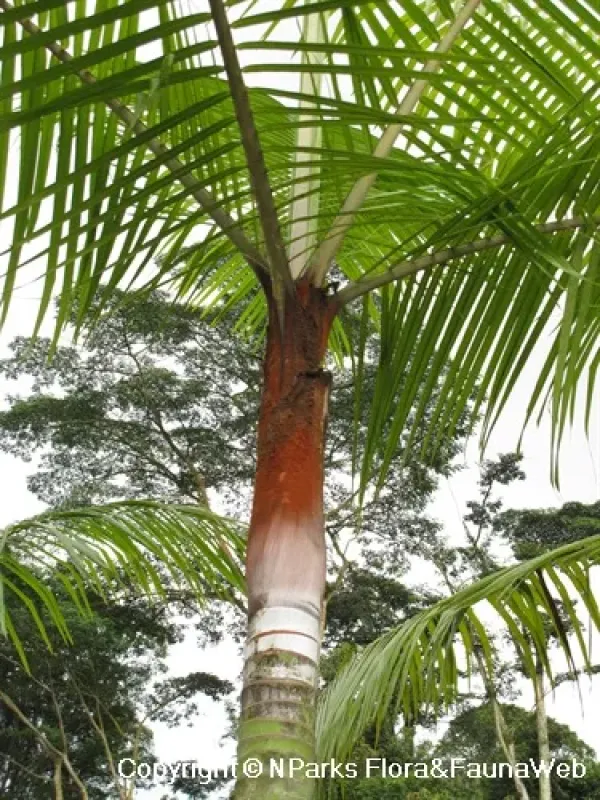
The Velvet palm (Chrysalidocarpus leptocheilos), part of the Arecaceae family, is a distinct species native to Madagascar. It is highly regarded in ornamental horticulture for its unique grey, felt-like crown shaft, which gives the plant its common name and adds significant aesthetic value.
This palm thrives in a tropical or subtropical climate, requiring temperatures consistently between 20°C and 28°C. It does not tolerate frost and should be cultivated in greenhouses or indoor environments in temperate regions to avoid severe damage to its vascular tissues.
Light requirements for this species are moderate to high; it prefers bright, filtered sunlight. Exposure to direct midday sun can result in foliage scorch, whereas insufficient light leads to spindly growth and structural weakness of the palm's stem.
Soil quality is paramount for successful cultivation. The medium must be well-drained, porous, and nutrient-rich. An ideal substrate mix includes peat, pine bark, and perlite, ensuring that the root zone remains aerobic and never becomes waterlogged.
Regular irrigation is necessary to maintain soil moisture, but the plant requires a drying-out period between waterings to prevent root rot. Supplemental humidity through misters or automatic systems is highly beneficial during the dry winter months.
Main diseases and pests
The palm is susceptible to common greenhouse pests, primarily scale insects and spider mites. These pests typically congregate on the undersides of the leaflets, and immediate action with horticultural oils or soap sprays is required to prevent infestation.
Pathogenic threats include soil-borne fungi such as Phytophthora, which can cause crown and root rot in poorly aerated environments. Maintaining rigorous sanitation protocols and ensuring excellent drainage are the primary methods for preventing these infections.