
Chrysalidocarpus lanceolatus
Chrysalidocarpus lanceolatus
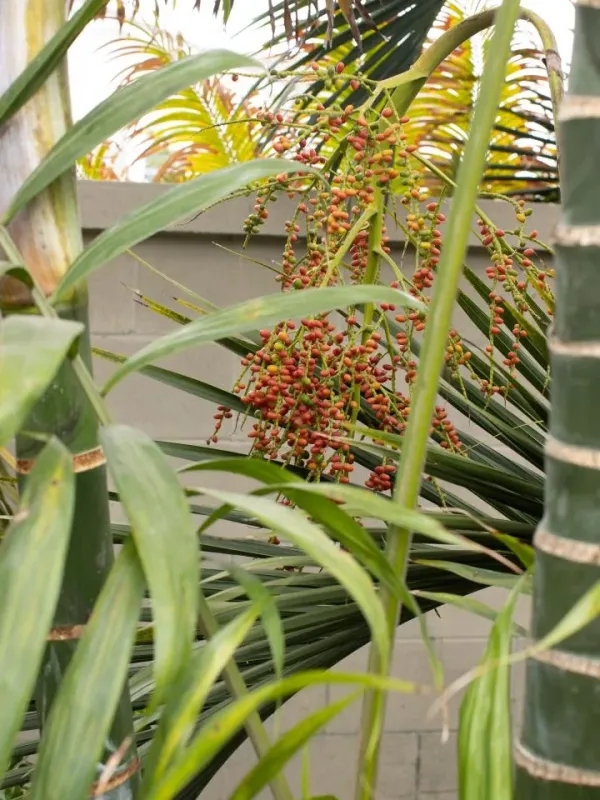
Description
Growing requirements
Chrysalidocarpus lanceolatus, currently classified under the genus Dypsis, is a striking member of the Arecaceae family. It is a slow-growing palm native to the lush, humid environments of Madagascar.
To thrive, this plant requires a tropical environment with high relative humidity and consistent warmth. It is highly sensitive to cold drafts and should be kept away from air conditioning vents and cold windows.
The ideal soil profile for this species includes a well-draining, peat-based mix enriched with organic matter. Proper soil aeration is crucial to prevent the root suffocation that often leads to plant decline.
Regarding light, this palm prefers bright, filtered light. While it can adapt to lower light levels, its growth rate will significantly decrease, and the foliage may lose its deep, vibrant green luster.
Economically, this species is highly valued in the nursery industry for its ornamental appeal. It is commonly used as a centerpiece in indoor landscaping projects due to its elegant, feathery palm fronds.
Main diseases and pests
The most common pests affecting this species are spider mites, which thrive in low-humidity environments. These pests can rapidly cause discoloration and decline if left untreated.
Scale insects and mealybugs also pose a significant threat to the health of the palm. They often hide in the crevices where fronds meet the main stem, making them difficult to detect early.
Fungal issues such as leaf spot are typically triggered by poor air circulation and excessive moisture on the foliage. It is essential to ensure that leaves are allowed to dry after cleaning.
Root rot is the most dangerous condition for this palm, often caused by overwatering. It is a silent killer that can cause irreversible damage to the root system before the symptoms appear on the leaves.
- Regular inspection of the foliage underside.
- Maintaining proper humidity levels (above 50%).
- Using systemic fungicides in case of persistent fungal infection.
- Avoid over-fertilizing during the winter dormant season.
- Applying neem oil as a preventive measure against common insect pests.