
Chrysalidocarpus decipiens
Chrysalidocarpus decipiens
Description
Growing requirements
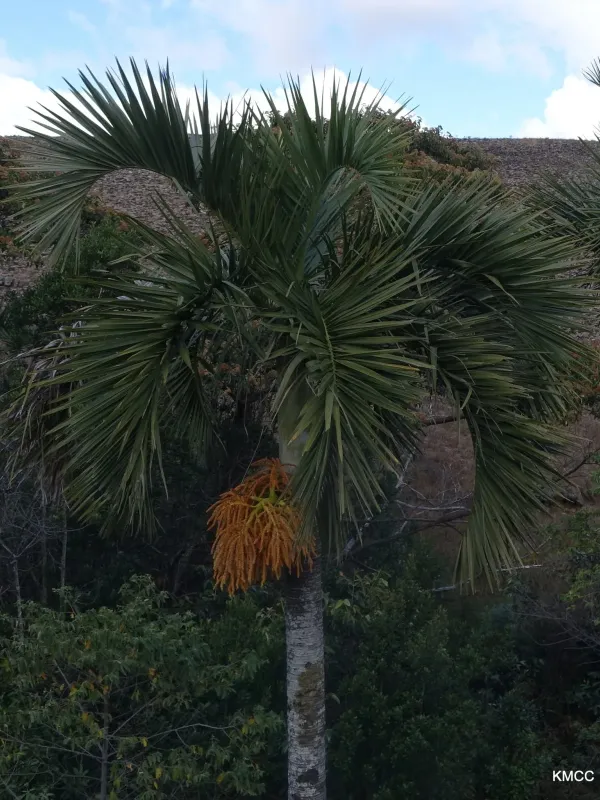
Chrysalidocarpus decipiens, also known as the butterfly palm or incorrectly referred to as Dypsis decipiens, is an elegant member of the Arecaceae family. Originating from the high-altitude forests of Madagascar, this species is valued for its unique growth pattern and cold tolerance.
The cultivation of this plant requires well-drained, nutrient-rich soil. A sandy loam mixture with a balanced pH is ideal to ensure that the root system has sufficient aeration and that water drains efficiently, preventing root hypoxia.
Temperature requirements are moderate compared to other tropical palms. The plant thrives in environments between 18°C and 26°C. It exhibits a remarkable ability to adapt to cooler conditions, reflecting its high-altitude native habitat.
Lighting should be bright but filtered. Prolonged exposure to intense, direct tropical sun can stress the plant and cause leaf scorch, particularly in container-grown specimens that do not have access to constant ground moisture.
Watering practices should balance the need for humidity with soil drainage. While the plant appreciates consistent moisture, it is sensitive to waterlogging, which often leads to the decline of the root collar and susceptibility to decay.
Main diseases and pests
Spider mites represent a primary threat in indoor or greenhouse environments where air circulation is restricted and humidity levels fluctuate significantly. These pests target the underside of fronds, weakening the plant.
Scale insects are commonly found on the rachis and leaf bases of this palm. If left untreated, they can form heavy infestations that drain the plant’s energy and promote the growth of sooty mold.
Fungal root rots, such as those caused by Phytophthora species, are the most lethal threats under poor cultivation conditions. Excessively wet soil in combination with cool temperatures creates a perfect breeding ground for these pathogens.
Leaf spot diseases are often indicative of poor hygiene or over-misting without adequate ventilation. Keeping the fronds dry and ensuring proper air movement are essential preventative measures for all palm species.
Nutrient deficiencies, particularly involving micronutrients like manganese and boron, can cause distortion of the new growth. Regular application of a balanced, palm-specific fertilizer helps mitigate these common physiological issues.