
Chrysalidocarpus decaryi
Chrysalidocarpus decaryi
Description
Growing requirements
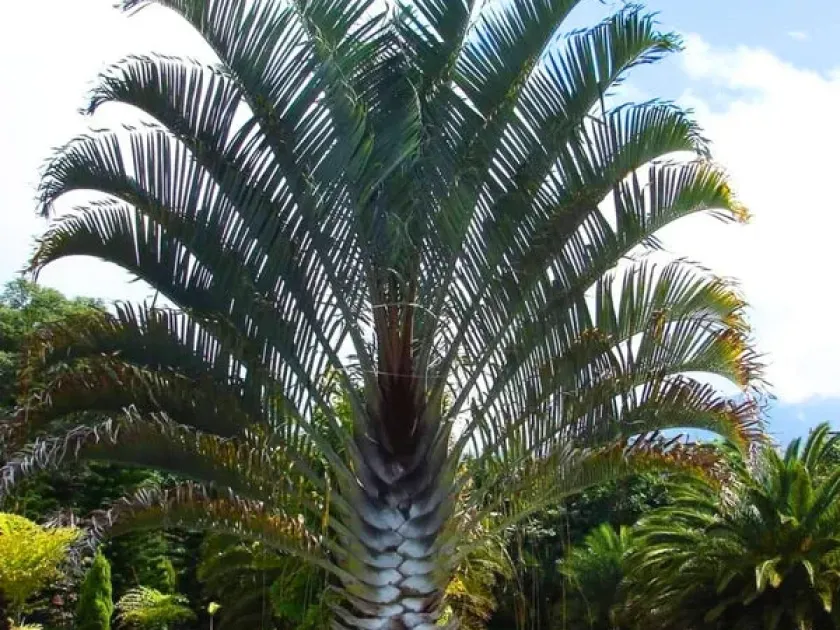
Chrysalidocarpus decaryi, widely known as the Triangle Palm, belongs to the Arecaceae family. It is an endemic species originating from Madagascar, specifically adapted to semi-arid climates.
The culture requires full sun exposure to thrive and develop its characteristic triangular leaf bases. Insufficient light levels often result in stretched growth and loss of architectural shape.
Soil requirements involve well-drained, porous media. The palm is highly sensitive to waterlogging, so heavy clay soils must be amended to prevent root rot and ensure proper drainage.
Climatic requirements demand warm temperatures, as the plant cannot tolerate frost or prolonged cold. It is ideally suited for USDA zones 10-11, thriving in warm, humid to semi-arid environments.
Its primary agricultural and ornamental use is in landscaping as a statement plant. Its unique growth pattern and silvery-blue foliage make it highly desirable for high-end horticultural projects.
Main diseases and pests
Common pests affecting this palm species include scale insects, which settle on the underside of leaves and stems, causing yellowing and stunted growth if left untreated.
Spider mites are another significant threat, particularly in glasshouse conditions where low humidity promotes their rapid reproduction and leaf damage.
Root rot caused by Phytophthora or Pythium species is the most common pathology. These infections usually stem from overwatering or poorly aerated soil substrates.
Mealybugs can also infest the tight junctions of the leaf bases, making manual removal or chemical treatment difficult due to the protected location of the pests.
Effective pest and disease control requires proactive monitoring, the use of systemic insecticides when necessary, and strict adherence to irrigation schedules to maintain optimal soil moisture.