
Cabada palm
Chrysalidocarpus cabadae
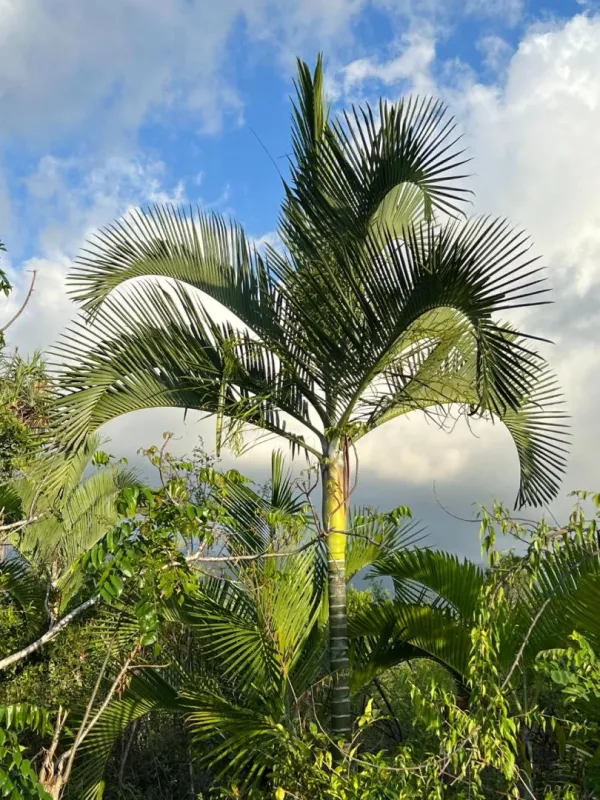
Description
Growing requirements
The Cabada palm (Dypsis cabadae) is a distinctive species within the Arecaceae family. Originating from the Comoros Islands, this plant is characterized by its slender, clumping stems and lush foliage.
It thrives in warm climates, requiring temperatures between 22°C and 28°C. Exposure to temperatures below 15°C can cause severe physiological stress and inhibit the plant's metabolic processes.
The soil requirements focus on high organic content and excellent drainage. A substrate mixture containing peat, pine bark, and coarse sand provides the necessary aeration to prevent root suffocation.
This palm species prefers bright, filtered light. While it can adapt to partial shade, consistent light intensity is essential for maintaining deep green leaf coloration and structural integrity.
Consistent soil moisture management is vital; the palm requires regular irrigation, particularly during the active growth phase, while avoiding any waterlogging which leads to root rot.
Main diseases and pests
Common pests include spider mites and scale insects, which frequently infest the undersides of leaves, especially in environments with insufficient ventilation and humidity.
Root rot, primarily caused by Phytophthora or Pythium species, poses a significant threat to commercial crops when irrigation is poorly regulated or drainage is inadequate.
Leaf spot diseases, often resulting from bacterial or fungal pathogens like Helminthosporium, can be mitigated by ensuring proper air circulation and avoiding overhead irrigation.
Nutrient deficiencies, specifically magnesium and iron, must be addressed through balanced fertilizer applications to prevent necrotic spotting and interveinal chlorosis.
Integrated Pest Management (IPM) protocols, including the introduction of biological controls and selective use of pesticides, are recommended for maintaining healthy plant populations.