
Chrysalidocarpus baronii
Chrysalidocarpus baronii
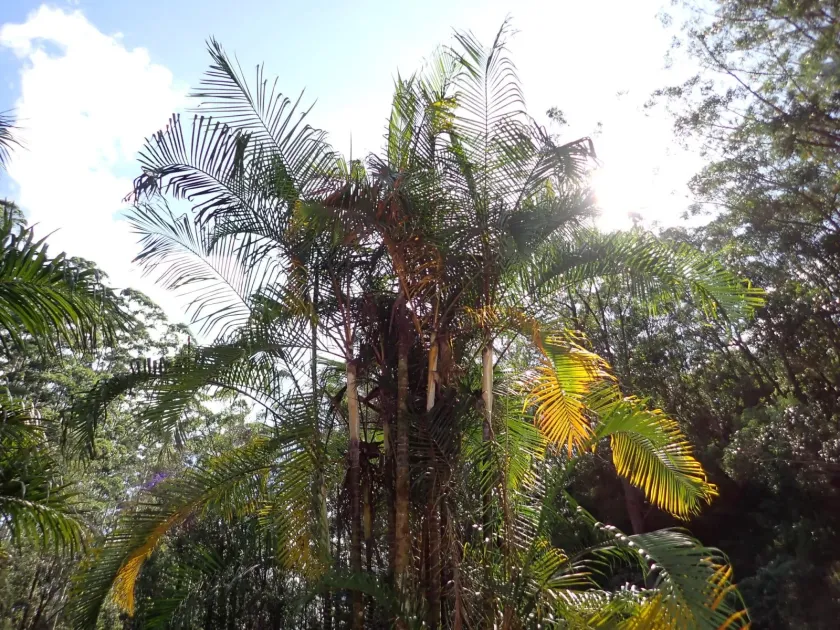
Description
Growing requirements
Chrysalidocarpus baronii, taxonomically recognized as Dypsis baronii, is a striking clumping palm species belonging to the Arecaceae family. Native to the humid forests of Madagascar, this palm is highly valued for its elegant, arching pinnate leaves and slender, cane-like stems.
In terms of agricultural and horticultural production, this species requires a warm, humid environment that mimics its natural montane habitat. It is a slow-to-moderate grower, making it a premium choice for high-end landscape design and commercial interior plantscaping.
Climate requirements include consistent temperatures between 18°C and 27°C. While the palm is hardy, it is highly sensitive to cold drafts and significant temperature fluctuations, which can cause leaf yellowing and structural damage to the delicate foliage.
Soil composition should be based on a high-quality peat or coco-coir mix combined with perlite or pumice to ensure excellent aeration. Proper drainage is the most critical factor in prevent root asphyxiation, a common issue in indoor environments.
Fertilization should be applied consistently during the growing season using a balanced, micro-nutrient-rich palm fertilizer. Frequent misting or the use of humidifiers is necessary to maintain the relative humidity above 60%, ensuring optimal photosynthetic efficiency.
Main diseases and pests
Spider mites are the most persistent pest for this species, especially in environments with poor air circulation and low humidity. Infestations typically appear on the undersides of leaves as fine webbing.
Mealybugs can become a significant challenge by congregating in the axils of the leaves. Their feeding habits extract essential sap, leading to stunted frond growth and potential secondary infections from sooty mold.
Scale insects present a threat by attaching firmly to the stalks and leaf bases. These pests are often protected by a waxy shield, making mechanical removal or systemic treatments essential for control.
Root rot, typically caused by Phytophthora or Pythium species, remains the primary pathological threat. It is almost always a result of overwatering and insufficient drainage, which kills the plant from the roots upward.
- Implementing integrated pest management (IPM) strategies.
- Using systemic insecticides to control hidden pest populations.
- Maintaining sanitary conditions in the greenhouse environment.