
Chrysalidocarpus albofarinosus
Chrysalidocarpus albofarinosus
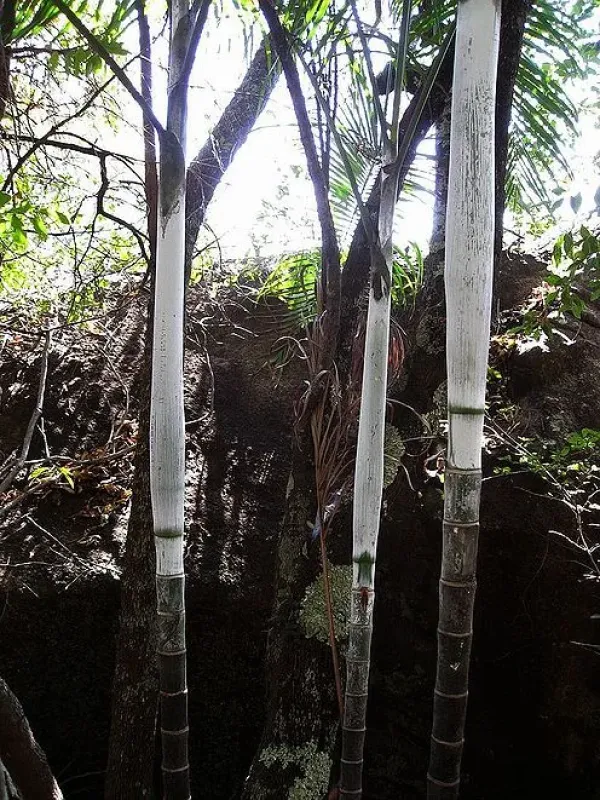
Description
Growing requirements
Chrysalidocarpus albofarinosus, scientifically reclassified under the genus Dypsis, belongs to the Arecaceae family. This species originates from the diverse flora of Madagascar and is valued for its unique appearance and waxy, mealy-like coating on its stems.
The climate requirements for this palm are strictly tropical. It thrives in environments with high humidity and consistent temperatures, ideally ranging between 20°C and 28°C. It is highly sensitive to cold drafts and rapid temperature fluctuations.
Successful cultivation requires a well-draining soil mix that remains moist but never waterlogged. A substrate composed of peat moss, perlite, and organic compost provides the necessary structure for healthy root development.
The plant prefers bright, filtered light. While it needs ample energy for growth, direct sunlight exposure in midday hours can scorch the fronds, necessitating light shading in greenhouse environments.
Water management is critical for this species. During the active growing season, consistent moisture is required, whereas, in the dormant period, the watering frequency should be reduced to prevent root rot issues.
Main diseases and pests
Spider mites are the most common pests affecting this palm, especially in indoor environments with low atmospheric humidity. These pests thrive in dry conditions and can quickly damage leaf tissues.
Mealybugs and scale insects also present a significant threat, often colonizing the base of the petioles. Regular inspection and physical removal are recommended alongside chemical treatments.
Pathogenic fungi, such as Phytophthora, can compromise the root system if drainage is inadequate. Overwatering is the primary cause of such infections, leading to rapid plant decline.
Foliar diseases may occur if water remains on the fronds for too long without adequate ventilation, highlighting the importance of airflow management in cultivation areas.
Integrated pest management, involving strict quarantine for new plants and the use of horticultural soaps or systemic pesticides, is essential for long-term health.