
Chamaedorea oblongata
Chamaedorea oblongata
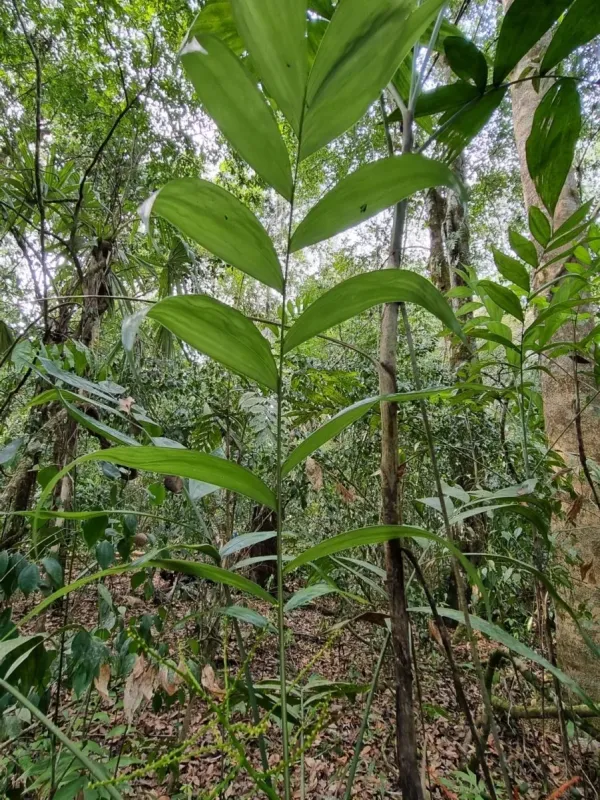
Description
Growing requirements
Chamaedorea oblongata is a graceful species of palm belonging to the Arecaceae family. Native to the tropical rainforests of Central America, this plant is well-adapted to the understory, making it an excellent choice for indoor environments with moderate light.
To thrive, this palm requires a well-draining potting mix that retains some moisture but allows excess water to escape. A soil structure rich in organic peat or coir, combined with perlite for aeration, mimics the forest floor conditions it prefers in its natural habitat.
Light levels should be kept bright but indirect, as harsh, direct sunlight will scorch the fronds. In terms of temperature, Chamaedorea oblongata is happiest in a range between 18°C and 24°C, and it strongly dislikes sudden cold drafts or extreme temperature fluctuations.
Humidity is a critical factor for successful cultivation. High ambient humidity helps prevent the leaf tips from turning brown and keeps the foliage vibrant. Frequent misting or placing the pot on a tray filled with wet pebbles is highly recommended in indoor settings.
Watering should be consistent, ensuring the top few centimeters of the soil are dry before adding more water. During the dormant winter season, the plant requires significantly less water, though the humidity levels must remain high to sustain its health.
Main diseases and pests
The most common pests affecting this palm are spider mites, scale insects, and mealybugs. These pests typically thrive in dry indoor conditions, making regular inspection of the plant's fronds a vital part of standard maintenance.
Root rot is the primary disease threat, usually triggered by overwatering or poor soil drainage. If the soil remains waterlogged, pathogens can quickly attack the root system, causing the fronds to yellow and eventually collapse.
Leaf spot infections can also occur if water remains on the fronds for too long without adequate air circulation. Keeping the environment well-ventilated is a simple yet effective strategy for mitigating these fungal issues.
Control of infestations usually involves the application of horticultural soap or systemic insecticides. Early detection is key; checking the underside of the leaves and the plant's crown regularly allows for quick intervention.
Cultural practices, such as maintaining proper spacing between plants and avoiding water accumulation in the crown, significantly reduce the risk of outbreaks. A robust health management program keeps the palm vigorous and resilient.