
Metallic palm
Chamaedorea metallica
Description
Growing requirements
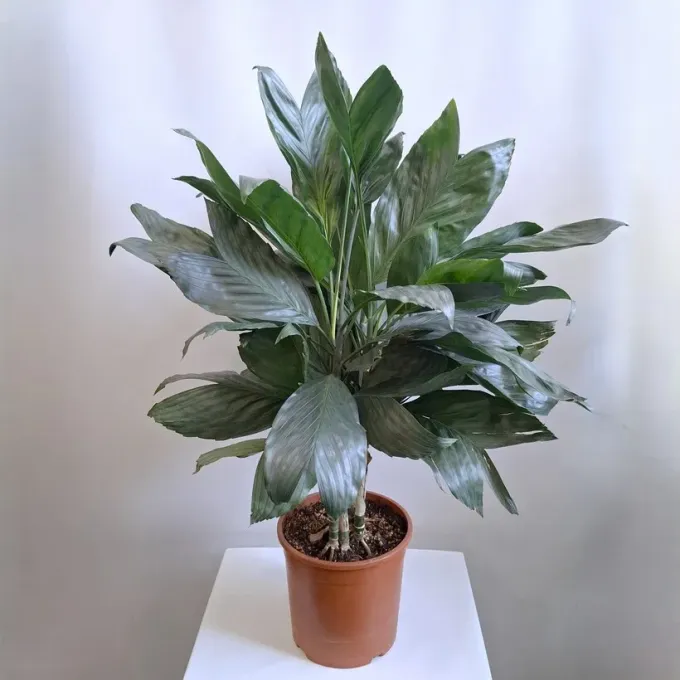
The Metallic palm (Chamaedorea metallica) is an elegant, dwarf-sized palm species belonging to the Arecaceae family. Native to the lush tropical rainforests of Mexico, it is highly prized for its unique, dark green, undivided leaves that exhibit a distinct metallic, almost shimmering luster.
This palm thrives in temperatures ranging from 18°C to 24°C, making it a suitable choice for indoor environments. It is essential to protect the plant from cold drafts and extreme temperature fluctuations, which can cause significant stress and damage to the sensitive foliage. Maintaining stable conditions is key to successful growth.
Light requirements for this species are specific; it prefers bright, indirect light. Direct sunlight can easily scorch the leaves, causing them to turn yellow or brown. A position near an east-facing window is generally ideal, providing enough light for the palm to maintain its characteristic metallic sheen.
The soil should be well-draining, nutrient-rich, and slightly acidic. A mixture of peat moss, perlite, and high-quality potting soil works best to ensure root health. Proper drainage is crucial, as the Metallic palm is highly susceptible to root rot if the roots are left standing in water-logged soil for extended periods.
Watering frequency should be adjusted according to the growing season and indoor humidity levels. It is recommended to keep the soil consistently moist but never waterlogged. Since this plant originates from humid forests, regular misting or the use of a humidity tray is highly beneficial for maintaining its overall vigor.
Main diseases and pests
Common indoor pests that frequently infest the Metallic palm include spider mites, mealybugs, and scale insects. These pests often proliferate when the air in the room is too dry, which is why regular foliage inspection and humidity management are vital for early detection and prevention.
Fungal infections, primarily root rot, are the most frequent health issues caused by improper watering practices. Symptoms typically manifest as dark lesions on the stems or yellowing leaves. Ensuring proper ventilation and avoiding overwatering are the primary cultural methods to prevent such threats.