
Chamaedorea glaucifolia
Chamaedorea glaucifolia
Description
Growing requirements
Chamaedorea glaucifolia is a distinguished member of the Arecaceae (palm) family. This species is native to the tropical rainforests of Mexico, where it thrives as an understory plant, naturally adapted to shaded environments with high atmospheric moisture.
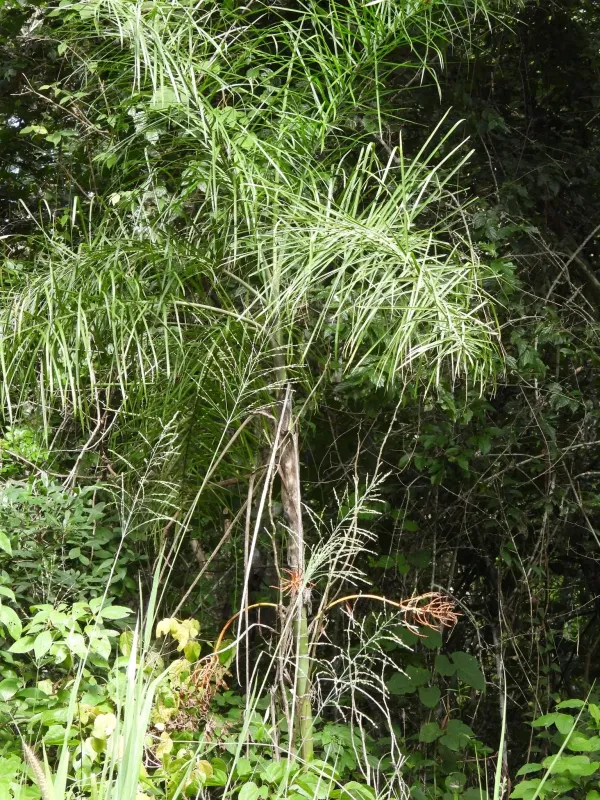
Botanically, this palm is characterized by its slender, cane-like stems and feathery, glaucous-green fronds. Its elegant structure makes it a highly sought-after plant for professional horticultural displays and interior landscaping, as it maintains a refined appearance.
Optimal growth requires a steady environment with temperatures ranging from 18°C to 24°C. The species is sensitive to extreme fluctuations in temperature and cold drafts, which can lead to stress, leaf browning, and significant physiological decline of the plant.
Soil requirements for this palm include a well-draining, nutrient-rich substrate. A standard mix usually contains peat, perlite, and organic matter to ensure good aeration. Proper drainage is critical; the container must have drainage holes to prevent standing water.
Watering management is a key aspect of its agro-technology. The soil should remain consistently moist but never waterlogged. During the growing season, regular watering is required, while in the dormant winter months, irrigation must be carefully reduced to avoid root rot.
Main diseases and pests
The primary pests affecting this palm are spider mites, mealybugs, and scale insects. These pests thrive in environments with low humidity, making regular misting and leaf cleaning essential parts of the plant's maintenance routine.
Diseases like leaf spot and root rot are common in cases of improper care, particularly in poorly ventilated or excessively damp conditions. Effective disease control involves isolating affected plants, removing damaged foliage, and applying appropriate fungicide treatments.