
Caryota rumphiana
Caryota rumphiana
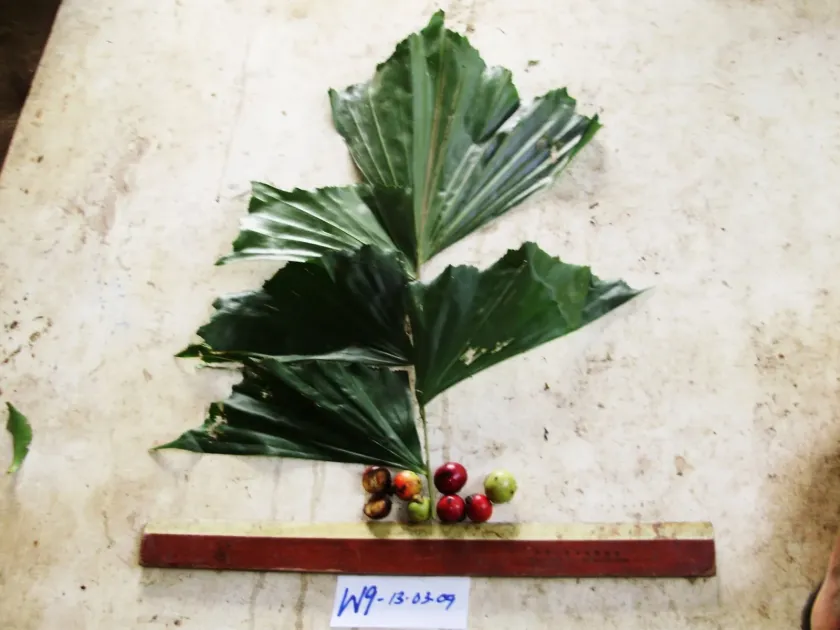
Description
Growing requirements
Caryota rumphiana is a remarkable species within the Arecaceae family, commonly known as a type of fishtail palm. Native to the tropical regions of Southeast Asia, specifically Indonesia and New Guinea, it thrives in warm, humid forest environments.
This palm species requires a climate that mimics its natural habitat, emphasizing the need for consistent temperatures between 22 and 28 degrees Celsius. Protection from direct, harsh sunlight is crucial to prevent leaf scorching while ensuring enough light for healthy growth.
The substrate must be rich in organic matter and provide excellent drainage capabilities to prevent root rot. Maintaining a high level of humidity is essential, as dry air can cause the tips of the bipinnate leaves to brown and wither prematurely.
Botanically, Caryota rumphiana is recognized for its distinct, jagged leaflets that look like fish tails, creating a lush, textured appearance. It is a slow-to-moderate grower that eventually forms a robust, tall trunk when provided with optimal conditions.
In terms of agricultural and horticultural use, this plant is primarily valued as a luxury ornamental specimen. It is widely planted in tropical garden landscapes and maintained in large public conservatories for its aesthetic impact.
Main diseases and pests
Common pests affecting this palm include mealybugs and spider mites, which typically thrive when the plant is kept in environments with poor ventilation or inadequate humidity levels.
Root rot, a persistent threat caused by overwatering or soil that does not drain well, can quickly destroy the root system and ultimately lead to the collapse of the plant.
Leaf spot diseases, often resulting from stagnant air and excessive moisture on the foliage, can degrade the aesthetic quality of the leaves and require fungicide treatment.
Nutrient deficiencies, particularly magnesium or iron, manifest as chlorosis or yellowing of the leaves, necessitating a balanced fertilizer regimen to maintain vibrant green color.
Maintaining a strictly controlled watering schedule and inspecting the foliage frequently are the best strategies to mitigate risks and ensure the long-term health of this exotic species.