
Caryota no
Caryota no
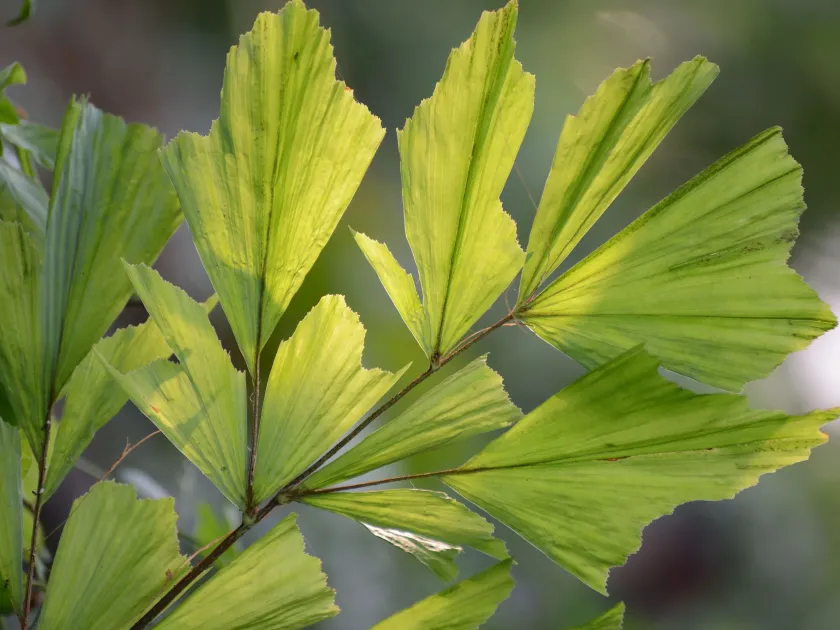
Description
Growing requirements
Caryota no is a distinct species within the Arecaceae family, highly regarded for its unique, bipinnate leaves that resemble a fish's tail. Originating from the tropical rainforests of the Philippines, this plant thrives in humid environments characterized by consistent temperatures and dappled sunlight.
The climatic requirements for this palm are quite specific: it demands a warm environment with temperatures ideally ranging between 20 and 28 degrees Celsius. Protection from frost and extreme drafts is critical, as the plant is highly sensitive to cold stress and sudden thermal fluctuations.
Regarding soil conditions, Caryota no prefers rich, well-draining potting mixtures. A blend that allows for moisture retention while preventing waterlogging at the root zone is optimal. Regular monitoring of soil moisture levels is essential to keep the root system healthy and productive.
Lighting should be bright but diffused; exposing the foliage to harsh, direct sunlight can lead to leaf scorch, diminishing the plant's aesthetic value. In greenhouse or indoor cultivation, placing the palm away from south-facing windows or using shade cloth is standard practice.
Effective agrotechnical practices include consistent fertilization programs during the growing season. Applying specialized palm fertilizers rich in magnesium and potassium helps prevent common nutritional deficiencies, ensuring the vibrant green color of the foliage remains intact.
Main diseases and pests
The primary pests affecting Caryota no include scale insects and mealybugs, which thrive in stagnant air conditions. These sap-sucking insects can severely weaken the palm if left unchecked, requiring immediate intervention through systemic insecticides or manual removal.
Fungal pathogens such as root rot pose a significant threat, usually caused by overwatering or inadequate soil aeration. Ensuring proper drainage and allowing the top layer of the substrate to dry out between waterings significantly reduces the risk of root-related diseases.
Spider mites are common intruders, especially in environments where humidity levels are kept too low. Regular misting of the leaves and maintaining high relative humidity are effective cultural control measures to prevent mite outbreaks during the warmer months.
Nutritional imbalances can manifest as chlorosis or necrosis, often mistaken for pathological infections. It is vital to test soil pH periodically, as Caryota species are sensitive to alkalinity, which can block the uptake of essential nutrients like iron and manganese.
Sanitation plays a crucial role in managing plant health. Removing dead or decaying leaves prevents the buildup of pathogens, creating a clean environment that discourages the nesting of harmful pests and the spread of opportunistic fungal spores.