
Fishtail palm
Caryota maxima
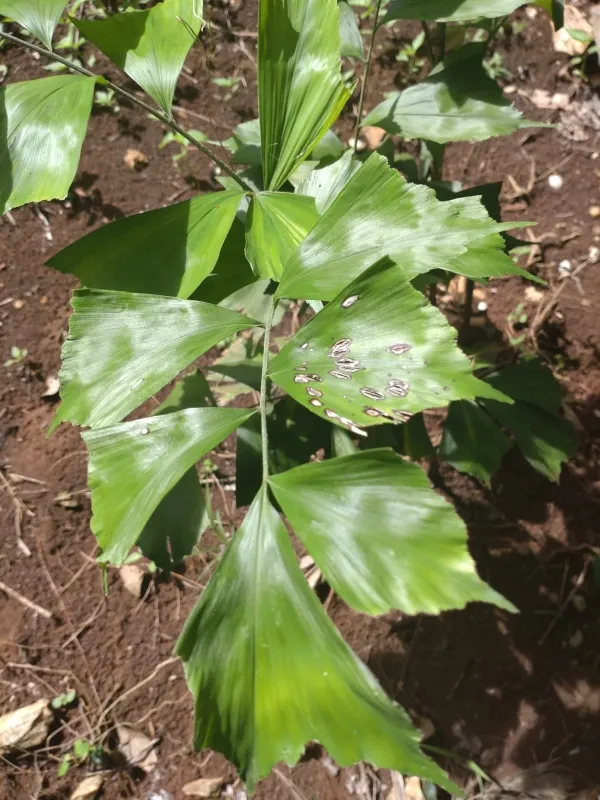
Description
Sowing dates
Caryota maxima is primarily propagated through seeds, which is the most common method in agricultural practice. Seeds require a long stratification period and should be soaked in warm water to soften the outer shell and enhance the germination rate, which can take several months in natural conditions.
The ideal time for sowing is during the warm season, when temperatures remain consistently above 25 degrees Celsius. In commercial nurseries, bottom heat is applied to the seed trays to simulate tropical conditions, significantly reducing the germination time and ensuring uniform growth of the seedlings.
A well-draining, humus-rich substrate is essential for seed development. Moisture must be maintained constantly, but the soil should never become waterlogged to prevent seed rot. Once the seedlings develop their first true leaves, they are transferred into individual pots for further strengthening.
As the plant grows slowly in its early stages, patience is required during the nursery phase. Young palms must be protected from direct sunlight and kept in a humid environment to ensure healthy tissue development before they are ready for planting in the field.
Hardening off the seedlings is a critical step before moving them to outdoor plantations. This process helps the plants adapt to fluctuating environmental conditions, ensuring that the young palms have a higher chance of survival once they are exposed to the open climate.
Growing requirements
The Fishtail palm (Caryota maxima) is a member of the Arecaceae family and demands specific conditions to reach its full potential. It thrives in regions with high atmospheric humidity and requires protection from heavy winds, which can easily shred its large, bipinnate leaves.
Soil requirements include fertile, well-draining loam with a slightly acidic to neutral pH. Proper soil structure is vital, as the roots are highly susceptible to rot if water stagnation occurs, especially during the rainy season in tropical areas.
Temperature is a key limiting factor; this palm is strictly tropical and cannot withstand temperatures dropping below 10-12 degrees Celsius. Sustained cold can lead to stunted growth, leaf discoloration, and eventually the death of the plant if not protected.
Light should be filtered or indirect to prevent scorching of the fronds. In plantation settings, canopy trees are often used to provide natural shade for the palms, ensuring they receive enough light for photosynthesis without the damaging effects of intense midday sun.
Regular fertilization with nitrogen-rich and magnesium-fortified fertilizers is necessary to maintain the health and vigor of the plant. A deficiency in key nutrients is often visible through yellowing of the leaves, which can decrease the overall health and productivity of the palm.
Yield
The economic value of Caryota maxima lies in its production of palm sugar and starch. The sap collected from the inflorescence before fruit set is highly valued, and a single productive palm can yield significant quantities of liquid that is processed into sugar.
Starch extraction from the trunk core is the final stage of the palm's lifecycle. Farmers often calculate the yield based on the total starch biomass extracted per hectare, which requires careful planning of planting cycles to ensure a continuous annual harvest.
The productivity of the crop is highly dependent on the age and health of the tree. Younger trees are usually kept for sap production, while older, less productive trees are harvested for starch, maximizing the utility of the plantation throughout its life.
Secondary products include fibers extracted from the leaf sheaths and stalks, which serve as raw materials for various local industries. This adds significant value to the agricultural enterprise, making the cultivation of the Fishtail palm highly sustainable.
Optimizing the processing technology on-site, particularly for starch extraction, is key to increasing the final quality and market price of the yield. Efficient handling ensures less waste and higher return for the growers.
Main diseases and pests
Fungal diseases represent the most significant threat to the Fishtail palm, particularly leaf spot and root rot. These issues are often exacerbated by poor air circulation and excessive moisture, which create ideal conditions for pathogenic spread throughout the plantation.
Pests such as mealybugs, scales, and spider mites can infest the fronds, leading to sap depletion and weakening of the plant. Regular monitoring and the application of systemic insecticides are required to keep these populations under control, especially in nursery conditions.
Root rot is perhaps the most devastating threat because it is often discovered too late. Preventing this disease relies entirely on maintaining excellent soil drainage and ensuring that irrigation practices do not lead to stagnant water around the root collar.
In certain regions, weevils can tunnel into the trunk of the palm, causing structural collapse and eventual death. Integrated pest management, including trap crops and biological control agents, is essential to protect the plantation from these destructive insects.
Sanitation practices, such as the removal of dead fronds and debris, are crucial to maintaining the health of the palm. By reducing the hiding spots for pests and the substrates for fungal growth, farmers can significantly improve the longevity and productivity of their trees.
Harvesting
Sap collection involves carefully tapping the inflorescence stalks just before the flowers fully open. The sap is collected in clean containers twice a day to maintain hygiene and prevent fermentation, which would ruin the quality of the syrup.
Starch harvesting requires felling the palm at the peak of its vegetative growth, just before the flowering phase begins. This is when the trunk contains the highest concentration of stored carbohydrates, which are converted into starch during the intensive processing stage.
The trunk is split to reveal the pith, which is then grated or crushed. The resulting pulp is washed through water-filled basins to separate the starch from the fibrous waste, with the starch settling at the bottom as a fine, white powder.
The starch must be thoroughly dried under controlled conditions to achieve the desired moisture content for storage. High-quality starch from this palm is a staple source of energy and an important commodity in local trade networks.
After the harvest, the fibrous remains are often composted or used as organic mulch to nourish the soil for the next generation of palms. This circular approach ensures that the plantation remains productive for many years, supporting both the economy and the soil health.