
Caryota
Caryota
Description
Growing requirements
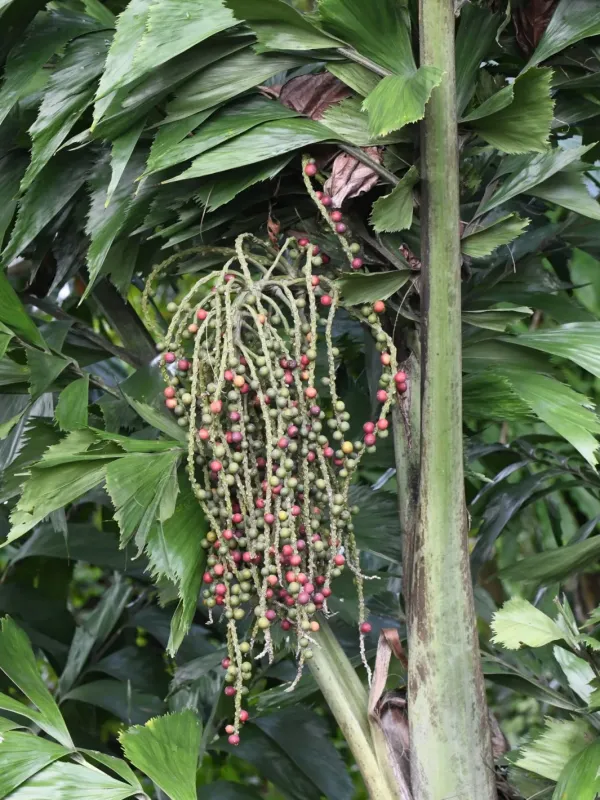
Caryota is a unique genus of palms belonging to the Arecaceae family. Native to tropical regions of Asia and Northern Australia, these palms are distinct due to their bipinnate leaves with triangular, jagged segments, which give them the popular common name of "fishtail palm." In their natural habitat, they grow in lush, shaded, or semi-shaded rainforest environments.
Cultivation requires bright but indirect sunlight. Direct exposure to intense sun can scorch the foliage, leading to unsightly brown patches. In indoor conditions, placing the plant near an east or west-facing window is ideal. Maintaining high humidity is crucial for the health of the plant, as dry indoor air often leads to brittle, brown leaf tips.
The temperature range should be kept between 20°C and 25°C for optimal growth. During the winter, the plant benefits from a slightly cooler environment, but temperatures should never drop below 16°C. They are particularly susceptible to cold drafts, which can cause significant stress, leaf drop, and weakened physiological function.
A well-draining, nutrient-rich soil mix is essential for Caryota success. A combination of peat-based potting mix, perlite, and organic compost ensures proper aeration for the root system. Always use a container with sufficient drainage holes to prevent water accumulation, which is the primary cause of root health issues.
Watering needs vary with the seasons, but the soil should remain consistently moist during the active growing phase. Never let the root ball dry out completely, nor allow the plant to sit in standing water. Using lukewarm, filtered water helps maintain the aesthetic quality of the foliage and prevents mineral buildup in the soil.
Main diseases and pests
Pest management is a vital aspect of Caryota maintenance. Spider mites are the most common issue, especially in environments with low humidity. They thrive on the undersides of the leaflets, causing discoloration and fine webbing. Regular misting and leaf cleaning are effective preventative measures against these pests.
Scale insects and mealybugs can also infest the plant, settling in the leaf axils. These pests suck the sap, leading to stunted growth and the development of sooty mold on the honeydew they excrete. Infestations should be treated immediately with horticultural oils or systematic insecticides to avoid severe damage.
Root rot is the most dangerous condition for Caryota, usually resulting from overwatering or poorly drained substrate. If the base of the stem becomes soft or the roots appear blackened and mushy, immediate re-potting into fresh, sterile soil is required to salvage the plant.
Leaf spot diseases are often triggered by improper ventilation and excessive ambient humidity. These infections appear as dark, necrotic spots and can spread rapidly. Improving airflow around the plant and keeping the foliage dry after watering are the best ways to mitigate the risk of fungal or bacterial spotting.
Nutritional stress can leave the plant vulnerable to secondary infections. Regular application of a balanced, micronutrient-rich palm fertilizer during the growing season helps strengthen the plant's natural defenses. Monitoring the soil pH is also important, as Caryota prefers slightly acidic to neutral conditions.