
Calamus viminalis
Calamus viminalis
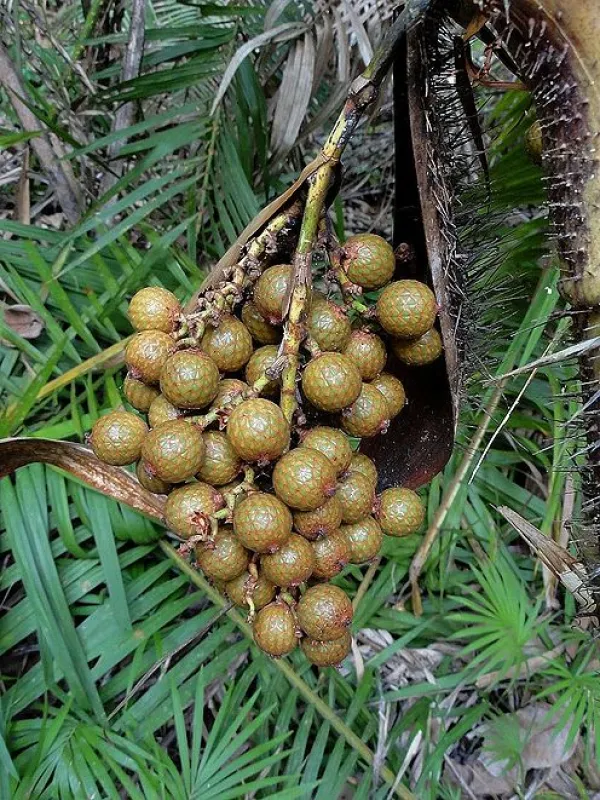
Description
Growing requirements
Calamus viminalis is a species of climbing palm belonging to the Arecaceae family. It is widely recognized as a primary source of rattan, a high-value material widely used in the international furniture and weaving industry for its exceptional flexibility and strength.
The plant originates from the tropical regions of Southeast Asia. It typically thrives in rainforest environments, utilizing its climbing habit to reach the canopy. Due to its tropical nature, the species demands high humidity and consistently warm temperatures throughout the year.
Cultivation requires deep, fertile, and well-drained soils. While the plant thrives in moist conditions, it cannot tolerate waterlogging, which often leads to root rot. Successful plantations are usually situated in areas with high annual rainfall to sustain growth.
Optimal growth conditions involve temperatures between 24°C and 30°C. The species is highly sensitive to frost and cold stress, which restricts its commercial farming to tropical latitudes where thermal stability is guaranteed throughout the seasons.
In commercial settings, the plant requires structural support. As a climbing species, it invests energy into producing long, thin, and robust stems. Providing artificial trellises or maintaining a natural forest structure is essential for maximizing yield and maintaining stem quality.
Main diseases and pests
The main threats to Calamus viminalis plantations include fungal infections, particularly those that target the root system or the young, succulent shoots. These diseases often thrive in dense, poorly ventilated conditions where moisture accumulates on the leaf surfaces.
Pests such as mites and scale insects are common in commercial cultivations. These pests feed on the sap of the palm, causing stunted growth and reducing the physical quality of the rattan stems, which are the main commercial product.
Disease prevention strategies prioritize sanitation within the plantation. Regularly removing dead or diseased biomass helps in reducing the spread of pathogens and improves airflow, which is critical for maintaining a healthy microclimate for the palms.
Integrated Pest Management (IPM) is increasingly used in rattan plantations. This approach involves monitoring pest populations and using targeted interventions, often biological, to control outbreaks without excessive chemical usage.
Maintaining adequate spacing between individual plants is a fundamental practice in preventing the rapid spread of diseases. Overcrowding creates a humid environment that acts as a breeding ground for both harmful fungi and destructive insect populations.
Harvesting
Harvesting Calamus viminalis is an intensive manual labor process. Harvesters carefully select mature stems, cut them, and strip away the thorny protective sheaths, which are characteristic of the Calamus genus and serve as a defense mechanism.
Selective harvesting ensures the sustainability of the plantation. By leaving younger shoots intact, the plant can continue to produce new stems, providing a consistent source of rattan for several consecutive years from a single rootstock.
Post-harvest treatment is crucial for the quality of the rattan material. The stems are thoroughly cleaned, dried under controlled conditions to remove moisture, and often treated with sulfur or heat to fix the color and prevent mold growth during storage.
Sorting and grading based on diameter and length are performed immediately after processing. High-quality rattan should have a uniform surface without deep scratches or structural deformities, ensuring its suitability for high-end furniture production.
Storage requires a dry, ventilated environment to prevent the degradation of fibers. Proper handling during transport is equally essential to ensure that the long, flexible stems reach manufacturers without suffering from breakage or structural impairment.