
Calamus sabut
Calamus sabut
Description
Growing requirements
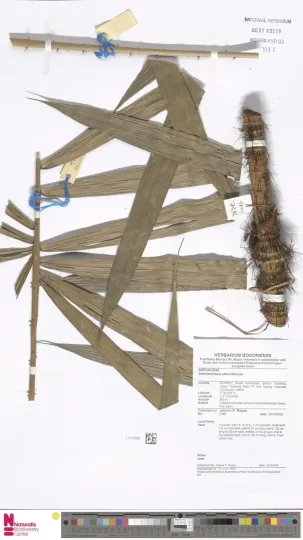
Calamus sabut is a prominent species of vining palm belonging to the Arecaceae family. Known primarily as a source of high-quality rattan, this plant is characterized by its exceptionally long, flexible, and robust stems that grow by climbing over other forest vegetation.
The native range of this palm encompasses the humid tropical rainforests of South and Southeast Asia. The plant thrives in environments characterized by high ambient humidity and consistently warm temperatures, which are essential for maintaining the pliability of its fibrous stems.
Regarding soil requirements, Calamus sabut prefers fertile, well-draining alluvial soils. It is an obligate climber, necessitating the presence of structural support systems—either living trees in agroforestry systems or artificial trellises—to facilitate its vertical growth toward the canopy.
Cultivation practices focus on managing the canopy shade, as young seedlings require protection from harsh direct sunlight. Successful farming involves maintaining adequate spacing to ensure uniform growth and to prevent the stems from becoming tangled, which complicates the eventual harvest process.
Industrially, this species is vital for the rattan manufacturing sector. Its stems are processed into diverse products, including durable furniture frames, intricate weaving materials for home decor, and various heavy-duty bindings, serving as a sustainable and renewable resource for rural economies.
Main diseases and pests
Crop health is primarily threatened by fungal pathogens that flourish in stagnant, overly moist environments. These diseases can compromise the structural integrity of the cane, making the stems brittle and unsuitable for high-quality furniture manufacturing.
The palm weevil remains the most significant pest concern for commercial plantations. These insects penetrate the soft core of the stem to lay eggs, creating tunnels that weaken the plant and cause irreparable damage to the harvestable raw material.